
- English
- Español
- Português
- русский
- Français
- 日本語
- Deutsch
- tiếng Việt
- Italiano
- Nederlands
- ภาษาไทย
- Polski
- 한국어
- Svenska
- magyar
- Malay
- বাংলা ভাষার
- Dansk
- Suomi
- हिन्दी
- Pilipino
- Türkçe
- Gaeilge
- العربية
- Indonesia
- Norsk
- تمل
- český
- ελληνικά
- український
- Javanese
- فارسی
- தமிழ்
- తెలుగు
- नेपाली
- Burmese
- български
- ລາວ
- Latine
- Қазақша
- Euskal
- Azərbaycan
- Slovenský jazyk
- Македонски
- Lietuvos
- Eesti Keel
- Română
- Slovenski
- मराठी
- Srpski језик



Motor Cooling Fan Blade
Xiamen Hongyu Intelligent Technology Co., Ltd. is a China-based manufacturer of precision aluminum die castings. Around its core product Motor Cooling Fan Blade, the company develops, casts, machines and dynamically balances one-piece aluminum blades for brushless and induction motors, fan units and pump drives, running the whole chain from mold to shipment in-house.
Send Inquiry
Product Description
Xiamen Hongyu Intelligent Technology Co., Ltd. centers on rotation stability and batch consistency, and runs an in-house production system for Motor Cooling Fan Blade from mold design to shipment. We adjust vane geometry, material and surface treatment to motor speed, frame size and installation space, and keep mold making, casting, machining, balancing and inspection inside one plant, so that lead time and quality are controlled without outsourcing links.
Integral Hub and Vanes
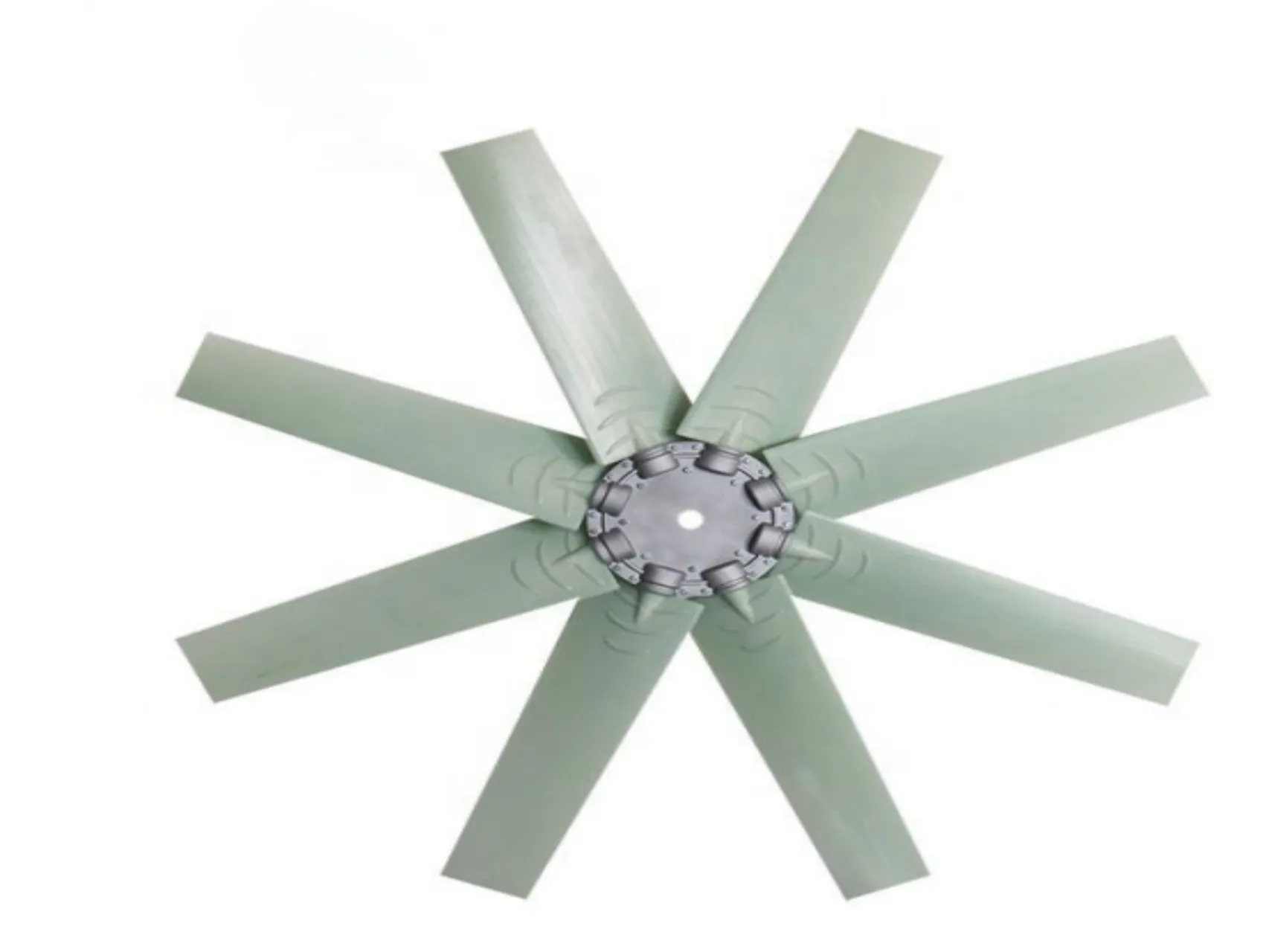
A fan blade is the rotating part that drives airflow through the motor housing, and its balance and vane accuracy directly decide cooling efficiency, running noise and bearing life. As an Aluminum die casting component, the hub and vanes are cast in one near-net-shape blank, then finished by bore machining and dynamic balancing. Compared with welded steel blades, it removes riveted joints and the risk of joint loosening; compared with injection-molded plastic blades, it keeps the vane profile accurate at higher speeds and resists softening or deformation after long hours of hot running, which matters more as motor power density keeps rising.
Thin-Vane Casting
Gravity casting and sand casting carry lower tooling cost and suit one-off or small-batch parts, but the blank is thicker, needs more machining stock and runs at a slower cycle, and the vane wall is hard to hold thin and even. High-pressure die casting shortens the cycle and controls vane thickness and tolerance directly. Because Casting aluminum solidifies under pressure, the blank leaves less secondary machining, and the integral hub structure reduces part count and assembly work for medium and high volume orders, which is why it is the usual choice for series-produced motor cooling blades.
Die-Cast Alloys
Material and geometry selection directly affect airflow, noise and service life. As an Aluminium casting foundry, we confirm these core indicators with you by motor frame size, rotation speed, installation environment and required precision, and adjust the blank scheme, wall thickness and surface treatment before the drawing is finalized.
| Project | Parameter Description |
| Product Name | Motor Cooling Fan Blade |
| Basic Process | High-pressure die casting, precision bore machining, dynamic balancing, surface treatment |
| Optional Materials | ADC12 aluminum alloy, A380 aluminum alloy, A360 aluminum alloy (equivalent grades available on request) |
| Structural Form | Centrifugal / axial type, support custom vane profile, hub bore and mounting positions |
| Performance Requirements | Dimensional accuracy, dynamic balance, vane angle, flatness, surface roughness test |
| Delivery Documents | Material certificate, batch inspection report, balance test records available on demand |
| Service Mode | ODM/OEM customization, mass production, support small batch samples |
Note: The above are general reference parameters. Final specs are subject to confirmed drawings. Contact us in advance for special high-speed or anti-corrosion requirements.
Dynamic Balancing
1. One-Piece Structure and Stable Balance
The hub and vanes come out of the same Die cast metal blank, with no riveted or welded joints to loosen under repeated thermal cycling. In batch inspection, the weight difference between blades of one lot is controlled within 0.5 g, and each blade is balanced to grade G6.3; at 3000 rpm the measured vibration velocity stays below 1.8 mm/s, which keeps running noise and bearing load in the expected range and avoids the gradual imbalance growth that assembled blades show over time.
2. Vane Profile Matched to Motor Curve
Vane count, inlet angle and outlet angle can be matched to the motor airflow curve instead of using a fixed standard profile. Die cast fan blades keep the vane angle within ±0.5°, while the hub bore, keyway and locating face are machined to standard motor shafts, cutting leakage between blade and housing and raising delivered airflow per input power. The profile can also be tuned for lower noise where the equipment is used near people.
3. Controlled Density and Long Service Life
Blanks are sampled for internal porosity before machining, and finished blades pass balance and run-out checks. For electric motor cooling fan blade duties, the controlled porosity and steady mechanical properties prevent vane cracking or balance drift after months of thermal cycling, and the machined locating face keeps the blade seated firmly on the shaft, so cooling performance does not decay over the service life.
Precision Tooling
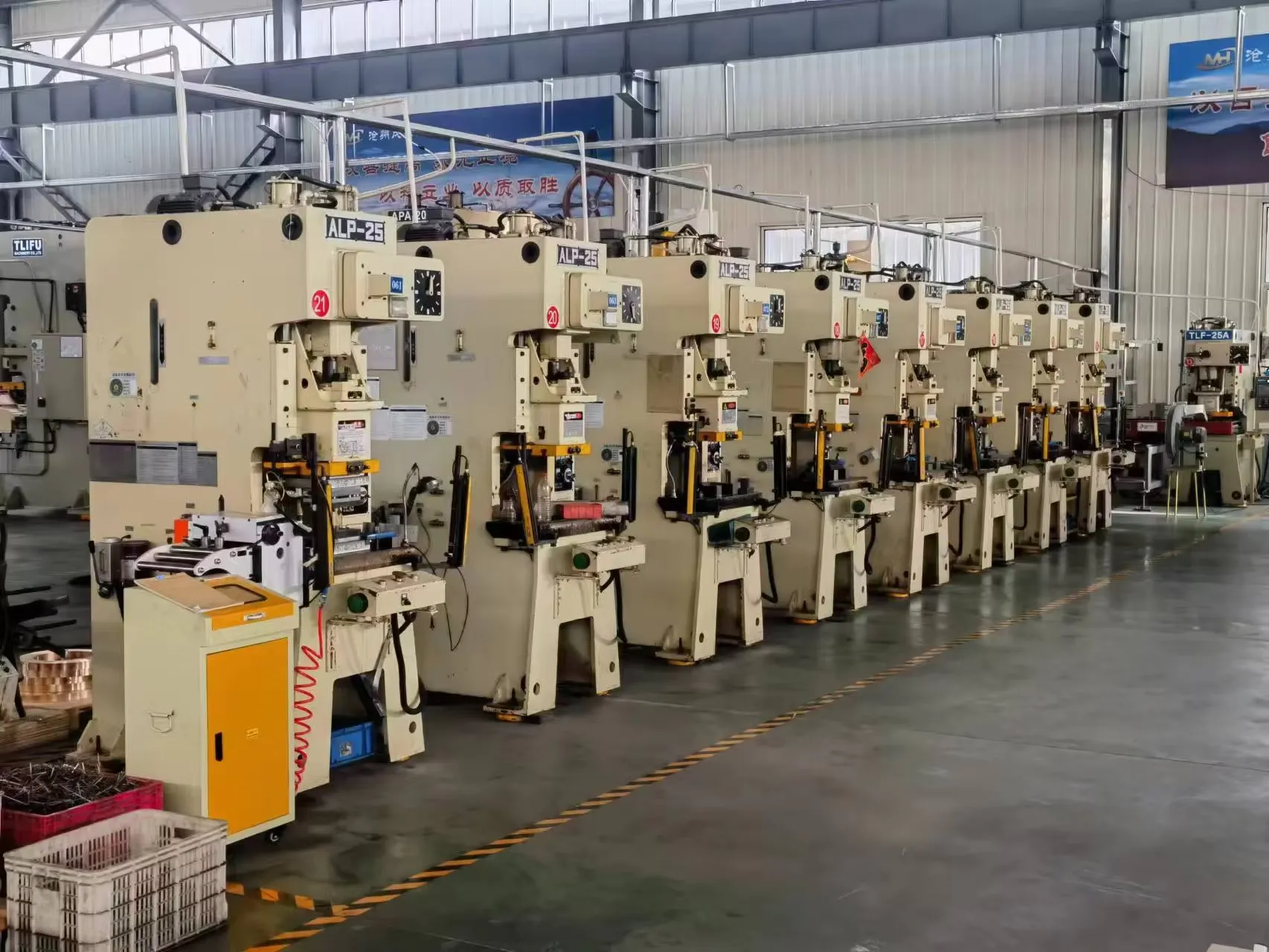
The profile consistency of a Motor Cooling Fan Blade depends mainly on mold design. We operate an in-house mold workshop and lay out gating, cooling and venting around the thin vane geometry, so the metal fills every vane tip before it freezes. Cavity machining accuracy reaches ±0.02 mm, and standard die life is 80,000 to 120,000 shots, with scheduled mold maintenance and inspection to keep dimensions stable over long production runs.
Recorded by Batch
As one of the professional Aluminium casting manufacturers, we run traceable quality control from incoming material to shipment. Alloy certificates are checked at incoming stage; blanks are sampled for porosity and key dimensions; machined blades pass balance and run-out checks. ADC12 blanks show typical tensile strength of 220 to 240 MPa and hardness of HB 70 to 90, and the mounting face flatness is held within 0.05 mm per 100 mm. All inspection records are archived by batch, so every shipped blade can be traced back to its material lot and production shift.
Multi-Duty Fit
Cooling demands vary by equipment. The blades cover small-frame to medium-power motors, and can be ordered as replacement fan blades for electric motors matched to your existing housing. For outdoor or humid sites, chromate conversion or powder coating passes 96 hours of neutral salt spray; for pump and compressor motors, wall thickness is tuned for strength and vibration resistance; for inverter and servo cooling units, vane count is raised to deliver higher airflow.
Seven-Step Delivery
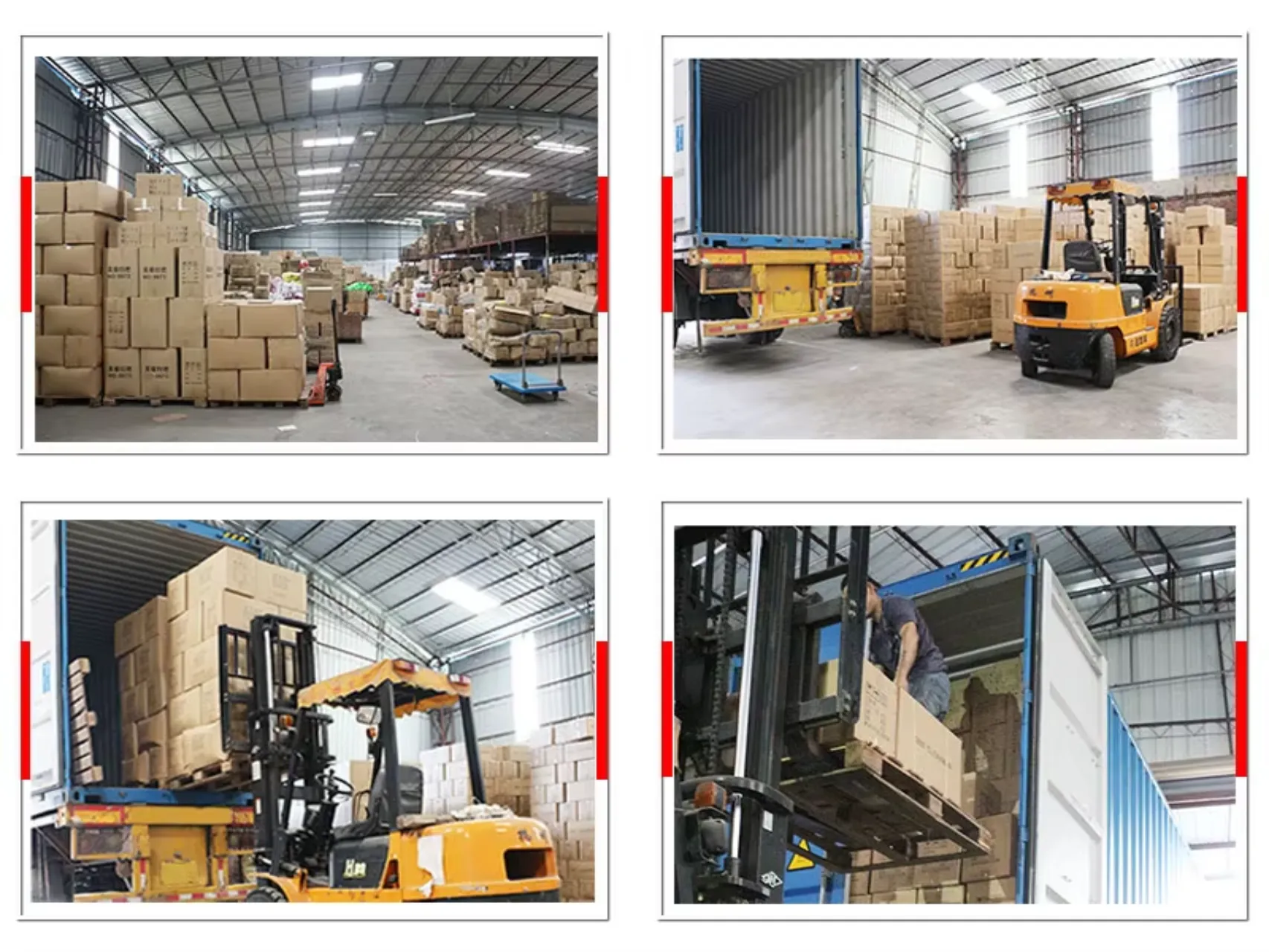
As a Die cast fan blade factory, we provide full ODM/OEM service. Send us your 2D drawings, 3D models or samples, and we return a feasibility assessment and quote within 24 hours. The order then moves through the following stages:
1. Data receiving: receive 2D drawings, 3D models or samples, and collect requirements on rotation speed, material, quantity and surface treatment.
2. Process evaluation and quote: assess die-casting feasibility, identify risks on thin vanes and tight balance, and return the plan and quote within 24 hours.
3. Structure optimization: suggest vane profile and gating adjustments to improve castability and reduce overall production cost.
4. Mold development: design and build the dedicated die; standard tooling takes 20-25 days with trial shots and optimization.
5. Sample production: make first samples, complete dimension, balance and appearance checks, and submit for your confirmation.
6. Mass production: start bulk production after sample approval, with in-process quality control at each step.
7. Inspection and delivery: final inspection, custom packing, logistics arrangement and delivery of inspection documents.
Traceable by Batch
For every motor fan blade order, we offer pre-sales feasibility evaluation, in-sales progress updates and a 24-hour response to quality issues. Shipped products carry batch records of material, machining and balance tests, with traceability available within 4 hours, supporting overseas supply chain audits. If a size or balance deviation is found on arrival, we compare it against the retained sample and production records before agreeing on rework or replacement.
Why Choose Us?
We run independent mold and die-casting workshops covering 200T to 800T equipment, so tooling, casting, machining, balancing and inspection are completed in-house for a stable lead time. Our team has years of experience in motor and industrial cast components, and we run casting simulation as soon as drawings arrive to flag filling or deformation risks. Backed by in-house production control, our core product Motor Cooling Fan Blade fits your motor and fan customization projects. We support small batch sampling and volume orders. Send us your drawings for evaluation and prototyping.
FAQ
Can you customize the fan blade to my drawing or sample?
Sure. Send us your 2D drawing, 3D model or a physical sample. We adjust vane profile, hub bore, wall thickness and surface treatment to your motor, and return a feasibility assessment within 24 hours.
What materials do you use for the blades?
We mainly use ADC12, A380 and A360 aluminum alloys. The alloy is selected by your required strength, weight and corrosion environment, and material certificates are provided with each batch.
What is the minimum order quantity?
There is no rigid MOQ. Small trial batches are welcome for development, and the mass production price improves with order volume, which we confirm with you in advance.
How long does sample development take?
Standard sample lead time is about 20-25 days including tooling and trial shots. If your vane size can use an existing mold, samples can be much faster.
Can you make replacement blades that fit my existing housing?
Yes. Send us the outer diameter, hub bore, vane count or a sample blade, and we will evaluate whether we can match your current housing.
How do you control blade balance and vibration?
Each blade is corrected on dynamic balancing equipment to grade G6.3. At 3000 rpm the measured vibration velocity stays below 1.8 mm/s, and balance records are provided per batch.
How long is bulk production after sample approval?
After you approve the sample, standard orders take 7-15 working days, depending on vane size and order quantity. Urgent orders can be arranged with priority production.
Can a bulk order be delivered in partial shipments?
Yes. We can split delivery by the schedule agreed in the contract, and issue separate inspection reports for each batch.
What shipping methods do you support?
Express, air freight and sea freight are all available. You can designate the carrier, and we also offer DDP service for overseas orders.
What payment terms do you accept?
T/T and L/C are the usual terms. Custom orders require a deposit, with the balance settled before shipment.
What if a quality issue is found after delivery?
Please send photos or test data within 15 days of receipt. If the problem is confirmed as a production defect, we will arrange rework or replacement.
Related Category
Send Inquiry
Please feel free to give your inquiry in the form below. We will reply you in 24 hours.