
- English
- Español
- Português
- русский
- Français
- 日本語
- Deutsch
- tiếng Việt
- Italiano
- Nederlands
- ภาษาไทย
- Polski
- 한국어
- Svenska
- magyar
- Malay
- বাংলা ভাষার
- Dansk
- Suomi
- हिन्दी
- Pilipino
- Türkçe
- Gaeilge
- العربية
- Indonesia
- Norsk
- تمل
- český
- ελληνικά
- український
- Javanese
- فارسی
- தமிழ்
- తెలుగు
- नेपाली
- Burmese
- български
- ລາວ
- Latine
- Қазақша
- Euskal
- Azərbaycan
- Slovenský jazyk
- Македонски
- Lietuvos
- Eesti Keel
- Română
- Slovenski
- मराठी
- Srpski језик


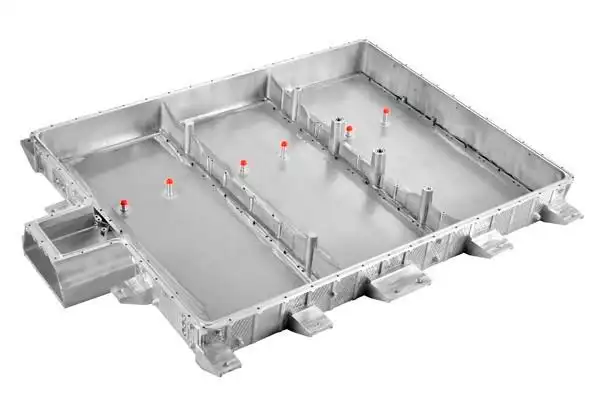
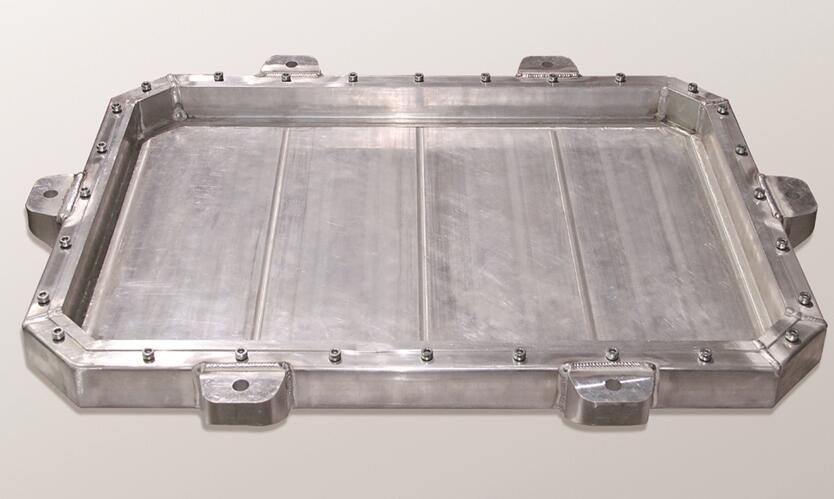
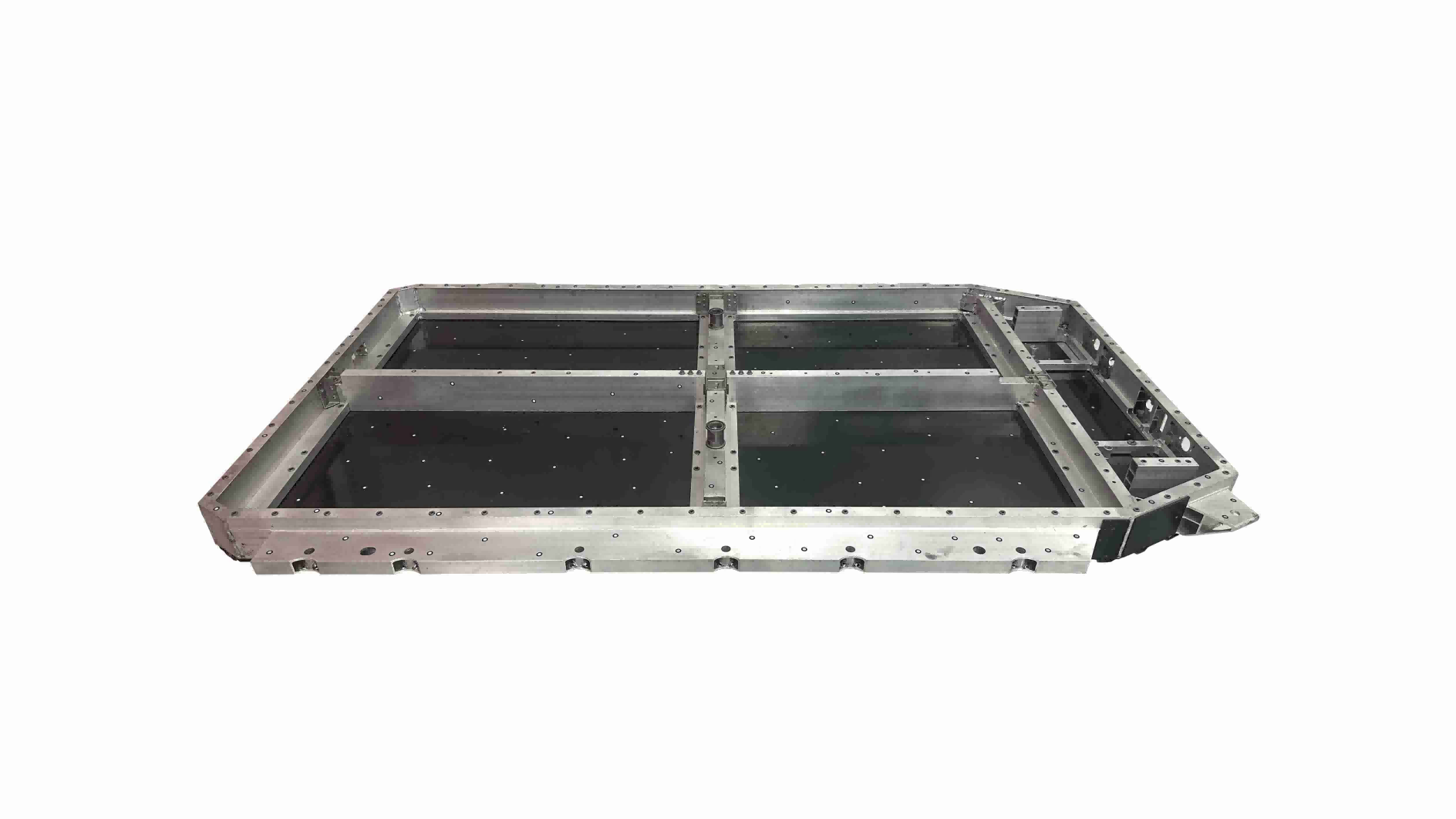
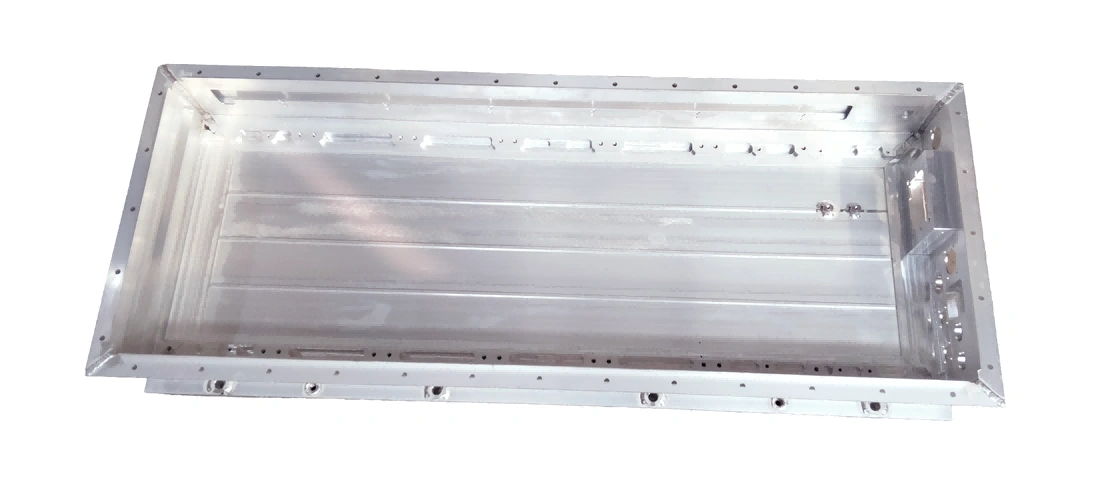
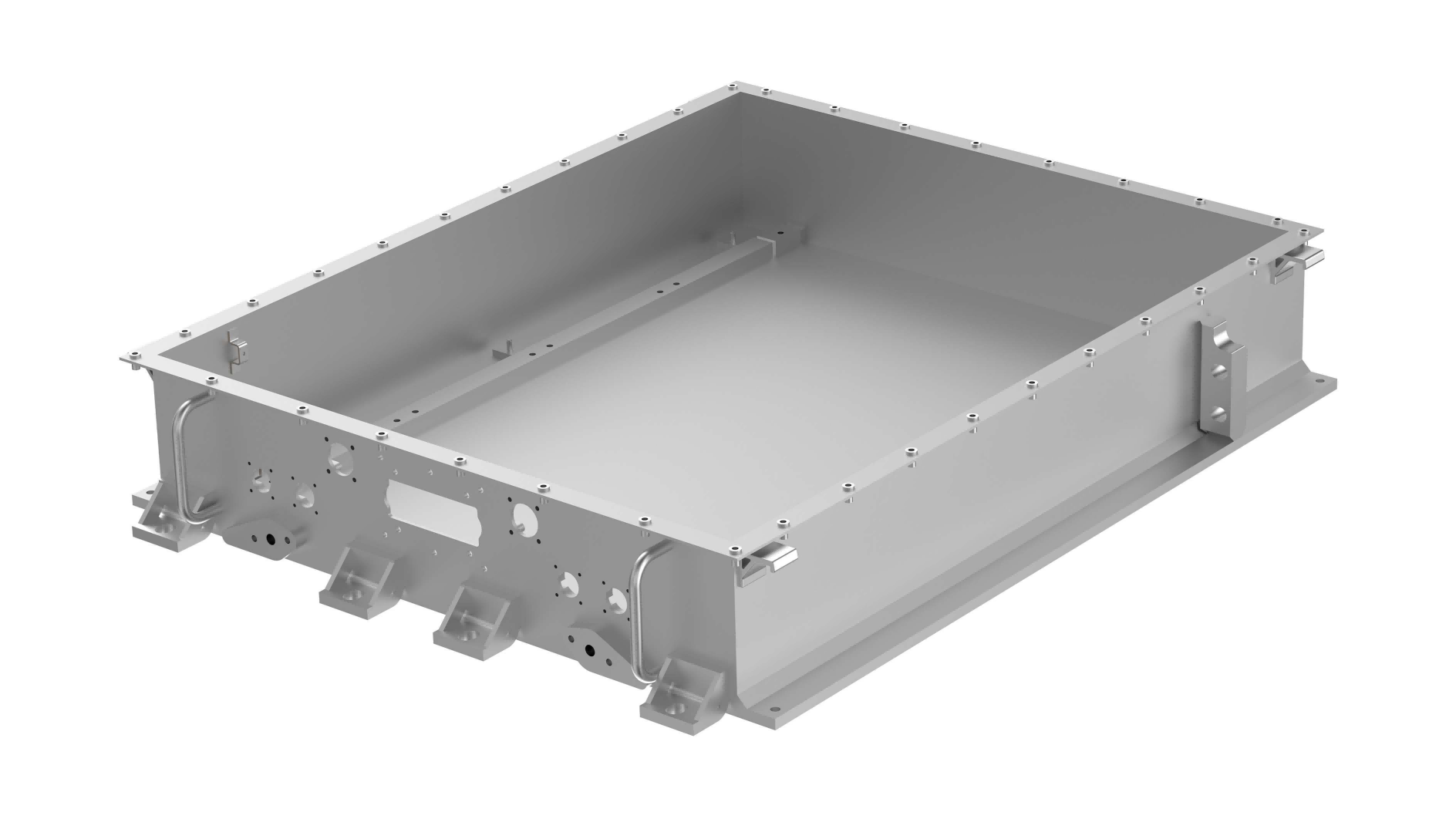
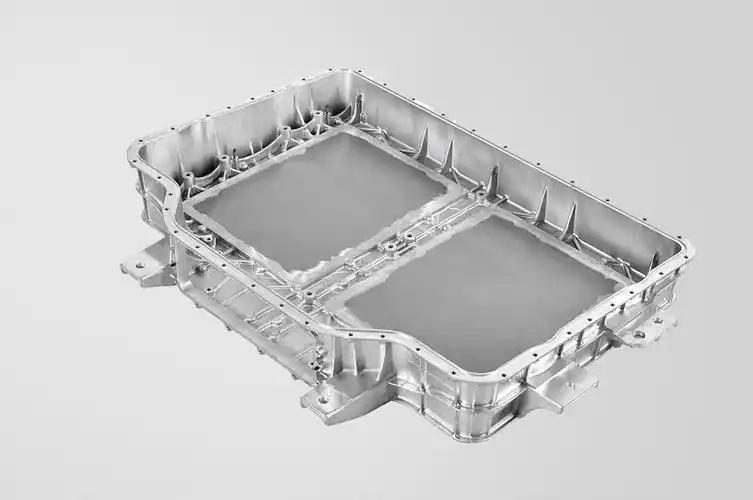
Battery Trays
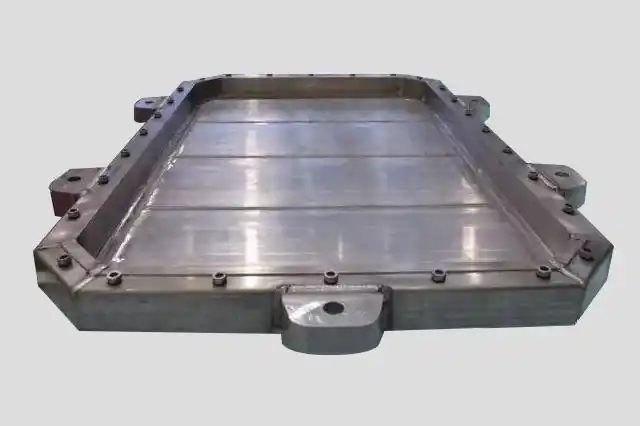
Xiamen Hongyu Intelligent Technology Co., Ltd. is a production-oriented enterprise specializing in the manufacture of battery trays. It is committed to providing customers with high-quality solutions. The company holds multiple qualifications and patents and always prioritizes customer service and product quality. The car battery holders produced by HY come in various shapes and standards and can offer customized services for different vehicle models based on customer requirements.
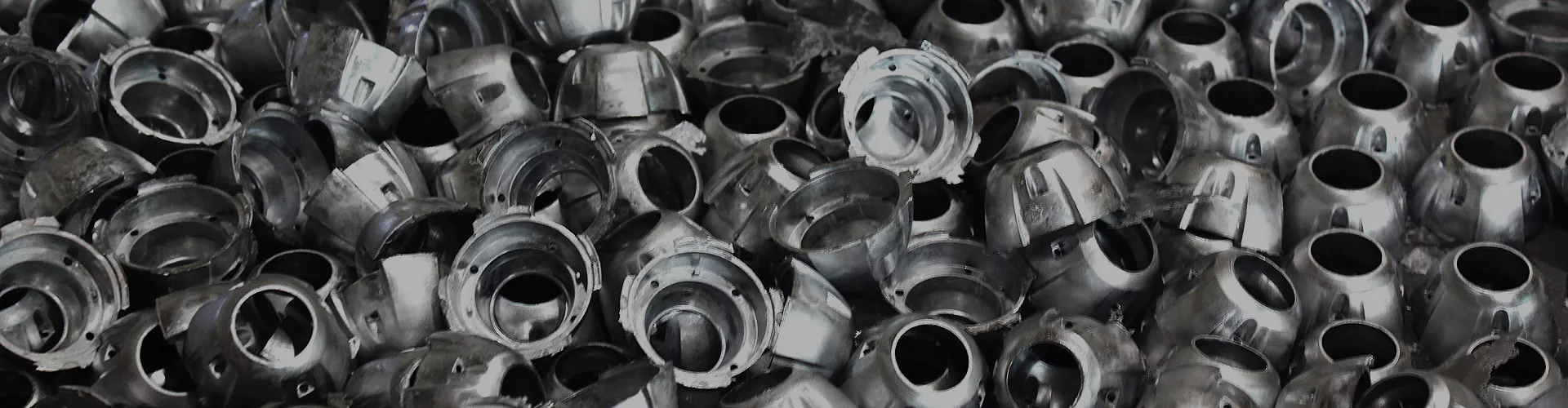
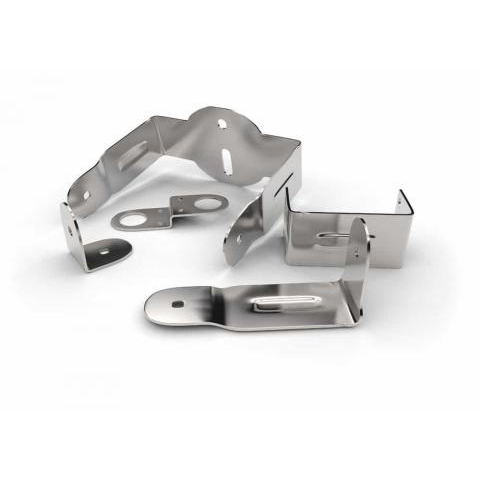
Process: casting, precision machining, welding assembly
Surface treatment: pre-galvanizing, passivation
Model: customized
Send Inquiry
Product Description
Xiamen Hongyu Intelligent Technology Co., Ltd. is a professional supplier of battery trays, specializing in providing high-quality accessories for automobiles, ships, and new energy. We support OEM/ODM services. Our company has over 2,000 kinds of inventory items and a complete and scientific quality management system. The factory covers an area of more than 4,000 square meters and is committed to solving various problems users encounter during actual use.
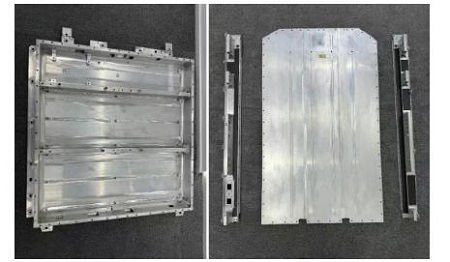
The highly anticipated process - Integrated die-casting technology
Currently, the majority of traditional car battery trays are made by combining profiles through extrusion welding or friction stir welding, etc. However, this process has some drawbacks, such as difficulties in processing complex structures, poor sealing performance, and relatively high costs. Besides the extrusion welding process, integrated die-casting technology is also one of the current development directions. Although it has a smaller market share at present, it still deserves attention.
Especially in the field of new energy vehicles, integrated die-casting technology has been constantly demonstrating its potential in terms of part performance, production efficiency, and manufacturing costs. With the trend of automotive lightweighting, aluminum and magnesium alloys have replaced steel materials as the mainstream choice. This includes parts such as automotive battery trays, front compartments, and rear floors, which have been widely adopted. Utilizing the high precision, high efficiency, controllability, and high material utilization rate of integrated die-casting, it has become a frontier in the exploration of lightweight technology.
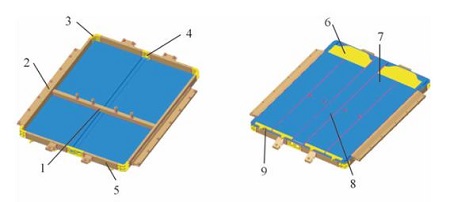
The national quality inspection center has introduced several safety standards for the automotive battery section, covering aspects such as collision safety, durability, usage strength, vibration, etc. Most of the testing items mainly target the auto battery tray. Therefore, this part contributes the most to the stiffness of the vehicle body and is also a key consideration in structural design. High-strength die-cast aluminum alloy is not only highly suitable for die-casting processes but also has characteristics such as low density, high strength, corrosion resistance, and good heat conduction performance. It is currently the preferred material. We will analyze the structural strength through statics, and optimize the weak points of the battery tray car structure through pressure simulation. Especially during the filling process of the die-cast aluminum liquid in the rear section, there is a problem of insufficient local fluidity, resulting in inconsistent cross-sectional strength. By increasing pressure and adding flow channels, we can increase the cross-sectional flow and improve the final forming quality.
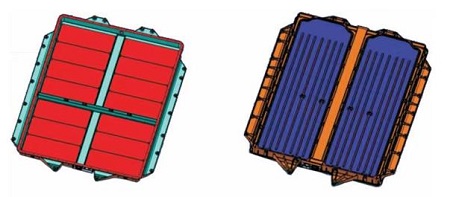
The edges and middle cross ribs of the battery tray have relatively high stiffness, but the central part is naturally a weak area because it cannot add horizontal and vertical ribs. To strengthen the stiffness of the central part, we designed an intermediate concave-convex structure, appropriately increasing the wall thickness to enhance the structural strength, and through strength testing to determine whether it meets the strength design requirements.
Tests in the Deep Sea
At present, the main core issues faced by the battery tray for boats are as follows. Firstly, there is the demand for heat dissipation. Boats use larger power batteries, and they generate a lot of heat. This poses a major challenge for heat dissipation. Then, there is the working environment. The water vapor and salt fog on lake and sea surfaces have extremely high concentrations of corrosion. At the same time, the temperature fluctuates greatly and the water surface is highly unstable and unstable. This poses further strict challenges to the heat dissipation system and the corrosion-resistant structure. Therefore, to cope with such harsh conditions, the standards for the boat body are even more stringent.
Based on these issues, the main design directions for the current marine battery tray, apart from lightweighting and heat dissipation performance, also need to take into account the corrosion resistance. Especially after the shell is oxidized by seawater, the heat dissipation efficiency will be reduced. After comprehensive consideration, aluminum alloy is currently also one of the primary choices.
FAQ
What is group 31 for batteries?
Group 31 is a standardized size classification formulated by the International Battery Council (BCI), featuring specified size standards and electrical performance. It is commonly used in applications such as recreational vehicles, ships, commercial vehicles, solar energy, and industrial equipment. We have designed a dedicated Group 31 battery box for this specification, and also offer customized services based on the actual needs of users.
What is a battery tray?
It is an important component of the electric vehicle power system, mainly serving a protective function, and is used to ensure that the battery pack operates safely and without damage during daily use.
Is a battery tray necessary?
Yes, it is necessary. It provides a safe and stable platform for the battery, protecting it from external damage and thus ensuring the safety of the entire vehicle.
Does a lithium battery need a battery tray?
Yes, for any type of battery, protective devices are necessary. Safety comes first at all times.
Hot Tags: China battery trays Manufacturers,group 31 battery box,battery tray for boat
Product Tag
Related Category
Send Inquiry
Please feel free to give your inquiry in the form below. We will reply you in 24 hours.