
- English
- Español
- Português
- русский
- Français
- 日本語
- Deutsch
- tiếng Việt
- Italiano
- Nederlands
- ภาษาไทย
- Polski
- 한국어
- Svenska
- magyar
- Malay
- বাংলা ভাষার
- Dansk
- Suomi
- हिन्दी
- Pilipino
- Türkçe
- Gaeilge
- العربية
- Indonesia
- Norsk
- تمل
- český
- ελληνικά
- український
- Javanese
- فارسی
- தமிழ்
- తెలుగు
- नेपाली
- Burmese
- български
- ລາວ
- Latine
- Қазақша
- Euskal
- Azərbaycan
- Slovenský jazyk
- Македонски
- Lietuvos
- Eesti Keel
- Română
- Slovenski
- मराठी
- Srpski језик


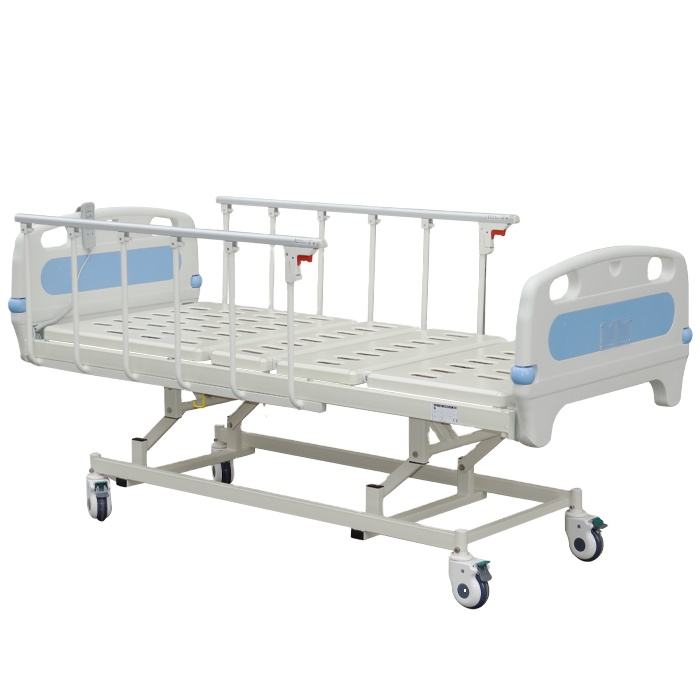
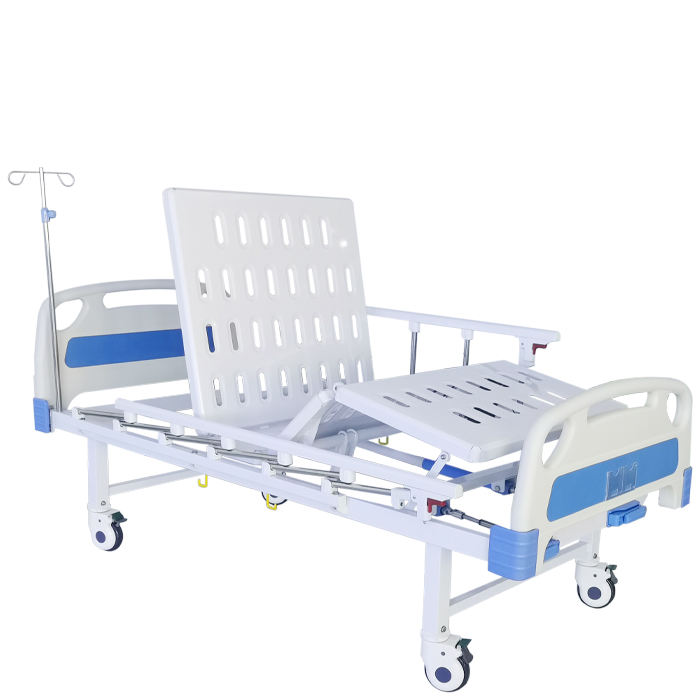
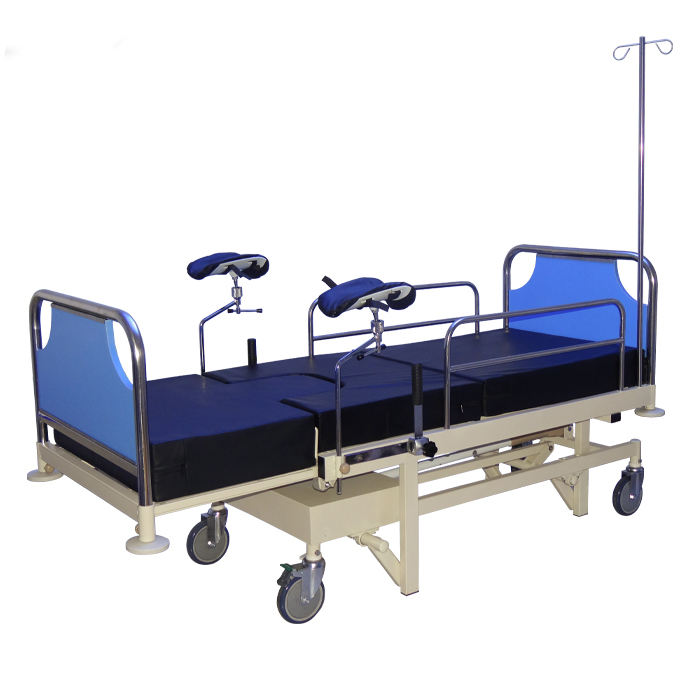
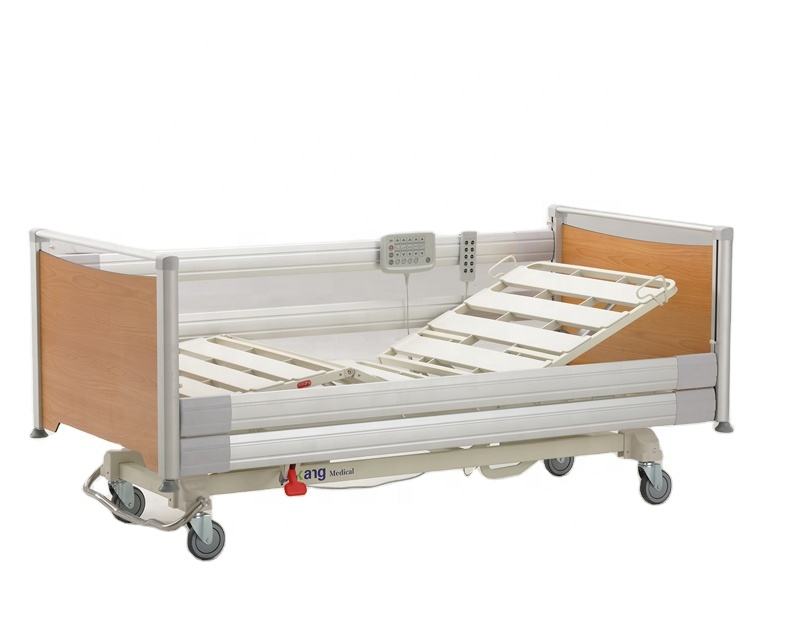
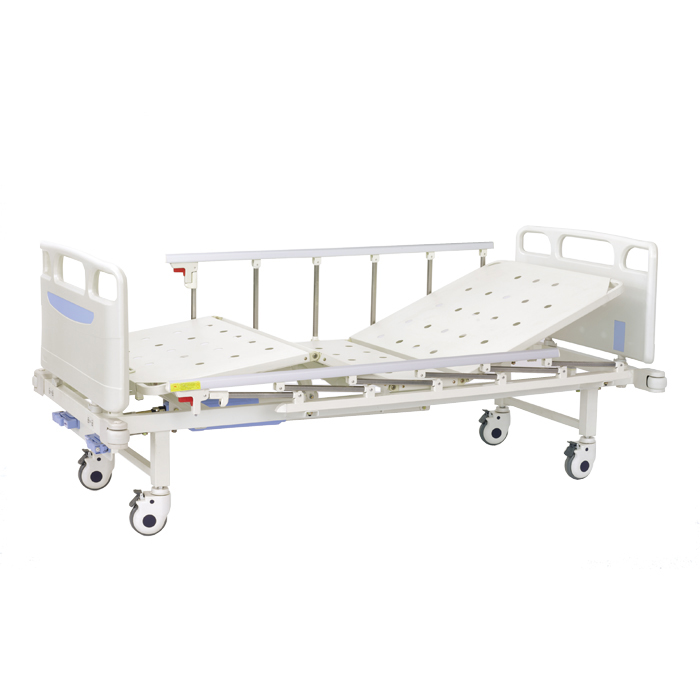
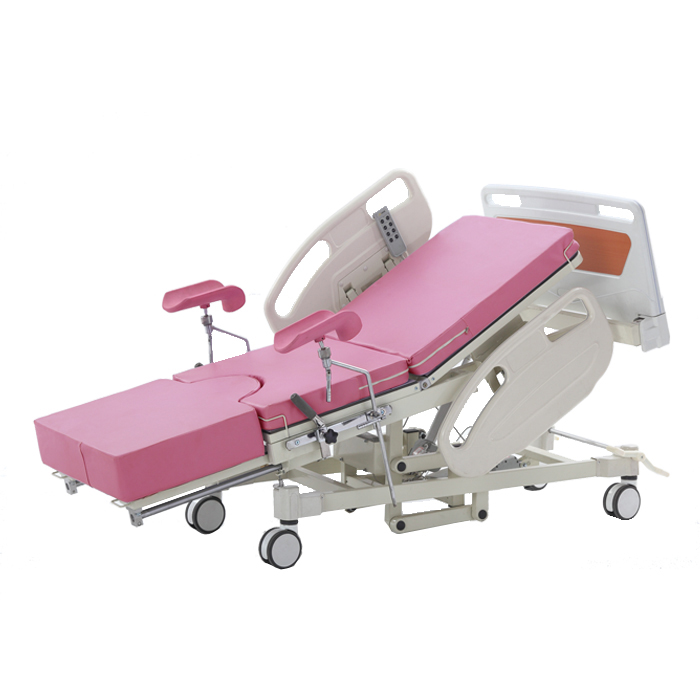
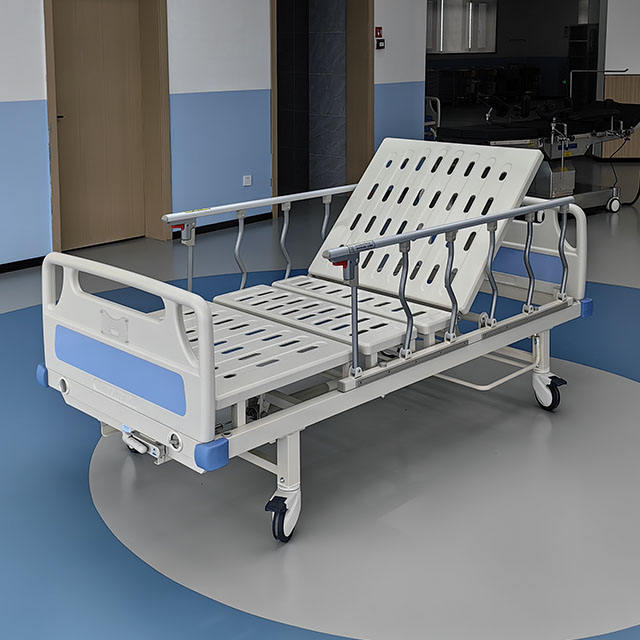
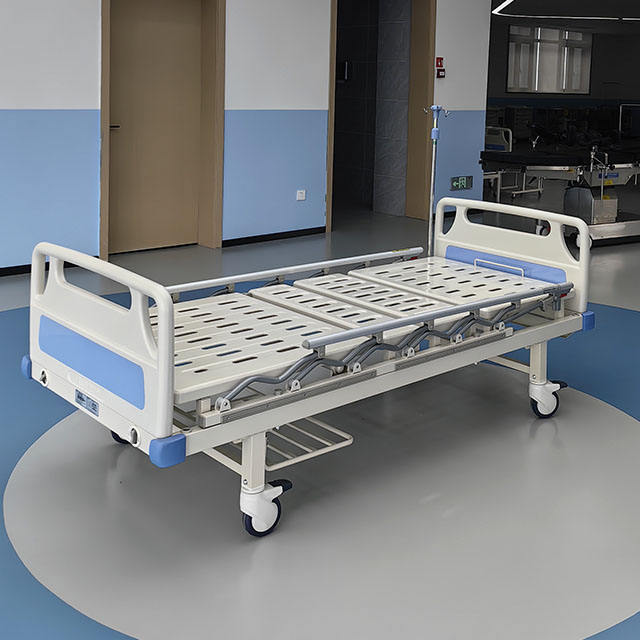
electric hospital bed
Xiamen Hongyu Intelligent Technology Co., Ltd. is a professional manufacturer and supplier of medical care equipment in China. It focuses on the research and development, production, and sales of high-quality electric hospital bed series products. It is a professional nursing equipment that realizes multi-dimensional body position adjustment through an electric drive system. Different from ordinary beds, it integrates intelligent control, safety protection, and ergonomic design. It mainly serves hospital clinical nursing, elderly care and home rehabilitation scenarios, providing a full range of multi-functional electric nursing beds. With reliable quality and comprehensive services, it meets the global medical and home care market demands.
Send Inquiry
Product Description
Xiamen Hongyu Intelligent Technology Co., Ltd., as a leading medical equipment manufacturer in China, has been deeply engaged in the field of electric care beds for many years. It has developed a series of high-performance electric hospital beds, providing professional and reliable care solutions for customers worldwide. Our product's core functions cover all scenarios of care needs: back elevation (0-85°), leg flexion and extension (0-45°), overall height adjustment (45-90cm), Trelundenberg / Inverse Trelundenberg inclination (±15°), and one-click reset, as well as emergency CPR function. It perfectly meets the professional usage standards.
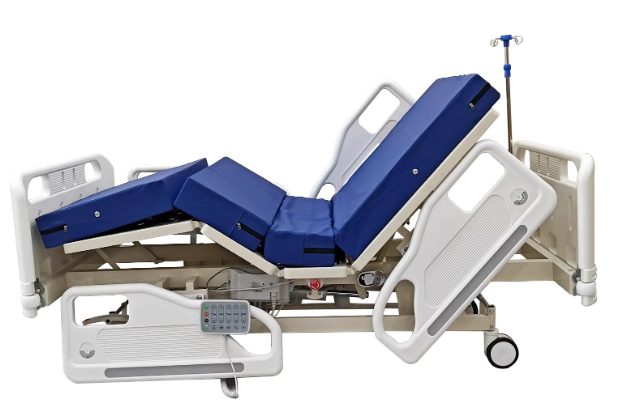
Product definition and core functions
This series of products is not only applicable to the professional medical environment of electric bed in hospital, but also can be used as home care equipment to meet the daily care needs of people such as postoperative rehabilitation, long-term bedridden, and the elderly with disabilities. The product is also equipped with the safety configuration of electric bed with rails, and the height of the foldable high-density guardrail can reach 42cm, effectively preventing the risk of falling out of bed, providing comprehensive safety protection for patients. From hospital ICU, general wards, rehabilitation centers to home bedrooms and elderly care institutions, our full electric hospital bed, with stable performance and multi-functional design, becomes a reliable assistant for nursing work, significantly reducing the workload of nursing staff while improving patient comfort and rehabilitation efficiency. We strictly adhere to medical-grade standards to create every product, ensuring the stable and reliable quality of electric hospital beds for sale.
| Table length and width | 2030*960mm |
| Table type | manual |
| Back rest lifting | 0-70° |
| Leg rest lifting | 0-35° |
| Table height adjustment | 440-640mm |
| Backplane Angle | 0°- 75° |
| Bed surface | Steel pressed |
| Side rails | 4-ABS tuck -away |
| Mattress | 8cm sponge |
| Wheels | central locking system |
| Accessory | urine bag hook IV pole |
| Bearing weight | 240kgs |
The company has always prioritized technological innovation and quality, creating products that far exceed industry standards and offering global customers cost-effective procurement solutions. We focus on developing high-quality electric hospital beds, which feature a high-strength cold-rolled steel frame and an integrated molding process. The bed body can withstand a static load of 250kg and has passed 5,000 cycles of fatigue tests without failure, with a service life far exceeding that of similar products. We provide global customers with cost-effective solutions for electric bed for sale .
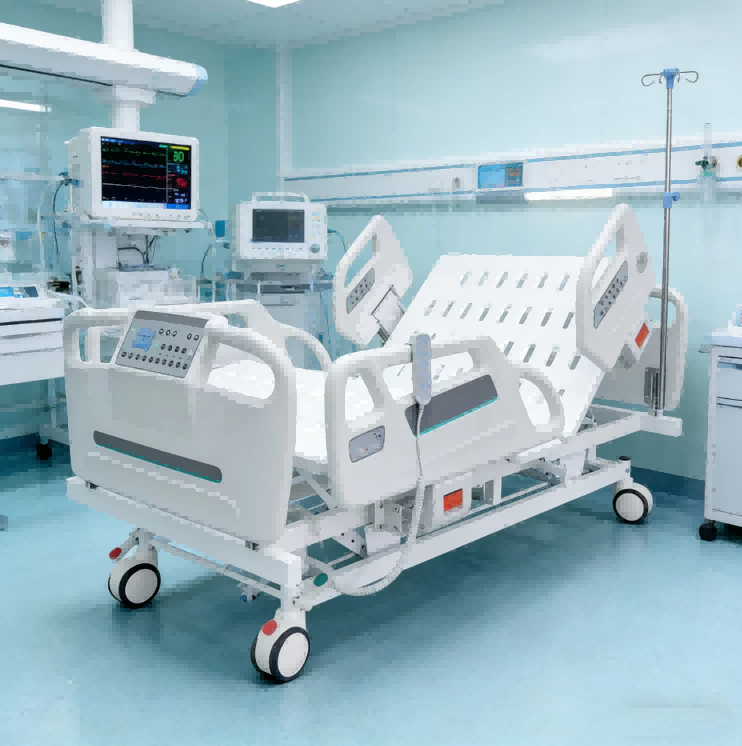
Application fields and real cases
The company's products, with their outstanding performance, have been successfully applied in over 50 countries and regions around the world, becoming the preferred brand for household users. In the medical field, the products are widely used in ICU wards, general wards, rehabilitation departments, emergency departments, etc., perfectly meeting the professional nursing needs and helping medical staff efficiently complete tasks such as body position adjustment, patient transfer, and rehabilitation training. In the elderly care field, as a professional electric bed for elderly, the product provides a comfortable and safe care experience for disabled elderly people in nursing homes and care institutions, effectively preventing complications such as pressure sores and pulmonary infections.
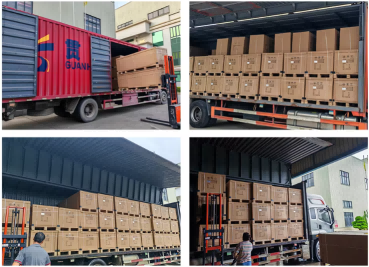
Case 1: A procurement project of a top-tier hospital in Europe
In 2024, this hospital purchased a batch of 150 full electric hospital beds from our company for the upgrading of the ICU and rehabilitation department. After the products were put into use, the efficiency of nurses in adjusting patients' positions increased by 40%, and the incidence of patient falls dropped to zero. The hospital highly praised the products and renewed the annual purchase contract.
Case 2: Cooperation Project with Southeast Asian Elderly Care Institutions
We provided over 200 electric hospital beds to 5 large elderly care institutions in Thailand and Malaysia, solving the problem of care for the disabled elderly in the local area. The products passed strict inspections by the local medical department and met the ASEAN medical standards, becoming recommended equipment for the local elderly care industry.
In the home care scenario, our electric bed for home products achieve a perfect integration of medical care and home environment with their simple design and powerful functions. Many families choose our electric bed for seniors products, providing professional-level care support for elderly people and post-operative rehabilitation patients in their homes, making family care easier and allowing patients to live with more dignity.
FAQ
What is an electric hospital bed?
It is an intelligent bed that is driven by an electric motor and can adjust the body position in multiple gears. It is specifically designed for the care of patients with disabilities or the elderly in hospitals or at home.
Do doctors recommend adjustable beds?
For post-operative recovery, lower back and neck discomfort, elderly people and those who are bedridden for a long time, doctors usually recommend using adjustable beds to enhance comfort and the effectiveness of rehabilitation.
How long does an electric hospital bed last?
Under normal use and maintenance, the lifespan of a high-quality electric medical bed is generally around 5 to 8 years. The core motor components can last even longer.
Hot Tags: electric hospital bed,hospital adjustable bed, China, Manufacturers, Suppliers, Factory, Quotation, Quality,Stamping Die Casting
Product Tag
Related Category
Send Inquiry
Please feel free to give your inquiry in the form below. We will reply you in 24 hours.