
- English
- Español
- Português
- русский
- Français
- 日本語
- Deutsch
- tiếng Việt
- Italiano
- Nederlands
- ภาษาไทย
- Polski
- 한국어
- Svenska
- magyar
- Malay
- বাংলা ভাষার
- Dansk
- Suomi
- हिन्दी
- Pilipino
- Türkçe
- Gaeilge
- العربية
- Indonesia
- Norsk
- تمل
- český
- ελληνικά
- український
- Javanese
- فارسی
- தமிழ்
- తెలుగు
- नेपाली
- Burmese
- български
- ລາວ
- Latine
- Қазақша
- Euskal
- Azərbaycan
- Slovenský jazyk
- Македонски
- Lietuvos
- Eesti Keel
- Română
- Slovenski
- मराठी
- Srpski језик
Home
>
Products > Die Casting > Zinc Alloy Die Casting > Die Casting Mechanical And Electrical Shroud Fan

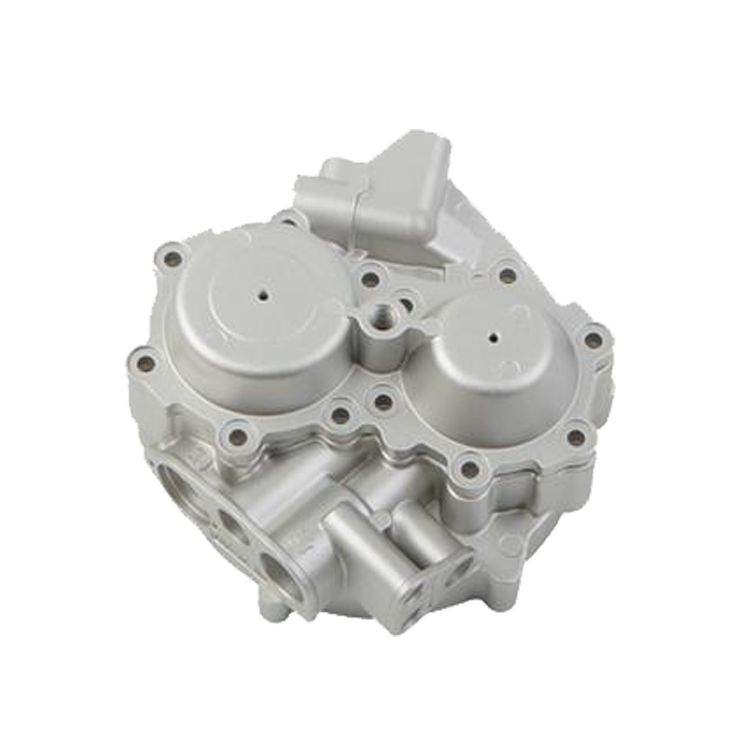
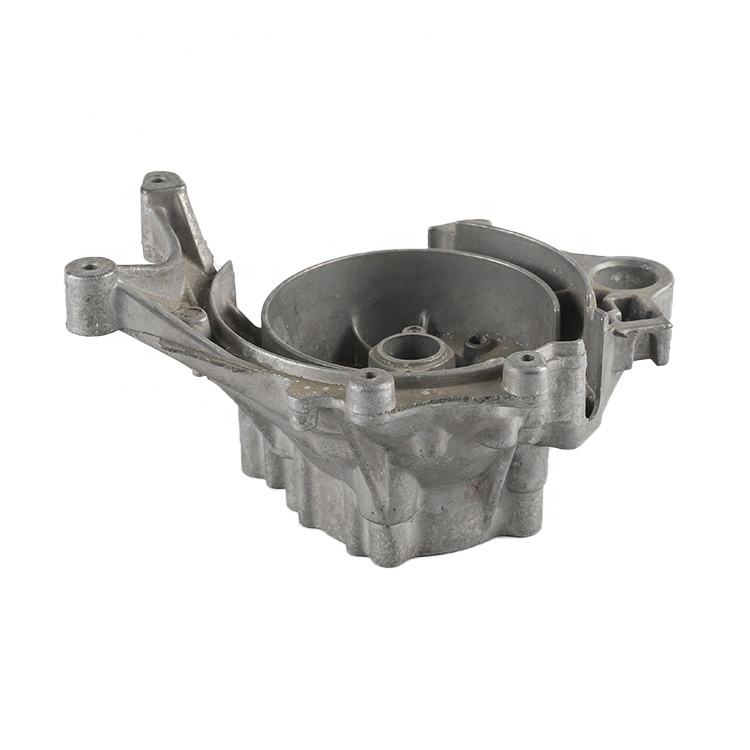
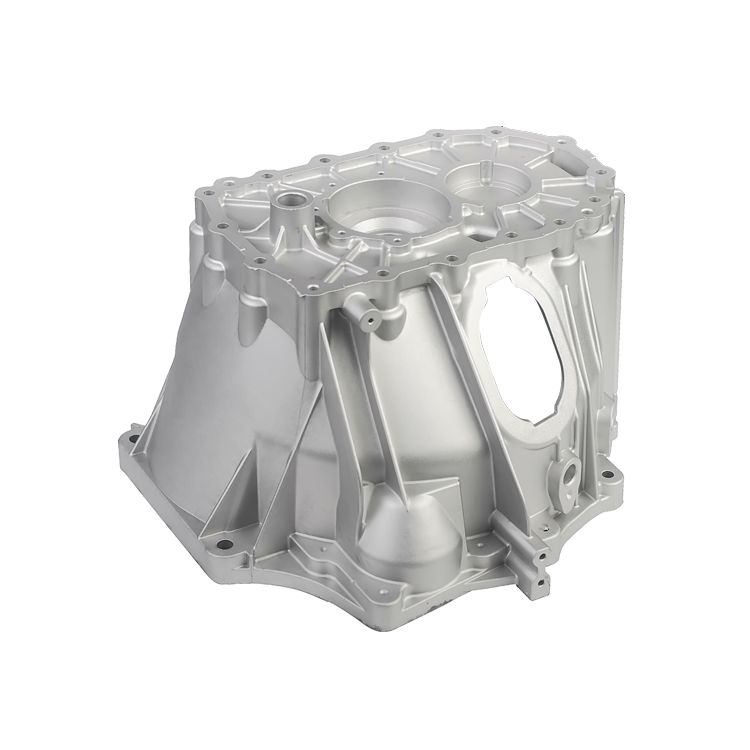
Die Casting Mechanical And Electrical Shroud Fan
Xiamen Hongyu Intelligent Technology Co., Ltd., as a professional supplier and manufacturer from China, focuses on the customization and batch supply of Die Casting Mechanical And Electrical Shroud Fan. Relying on mature aluminum alloy high pressure die casting technology, the integrated housing features high structural strength and stable heat dissipation channels. It supports ODM/OEM customization based on drawings and samples, and strictly controls assembly tolerances from mold development, die casting forming to finished product inspection, meeting the bulk supporting demands of overseas mechanical and electrical equipment manufacturers.
Send Inquiry
Product Description
Product Introduction
Die Casting Mechanical And Electrical Shroud Fan serves as the outer protection and air‑guiding component for industrial motors. It bears long‑term vibration, operating temperature rise and dust erosion from the working environment. Many Electromechanical shroud fan on the market adopt sheet metal welding process, which is prone to weld cracking and air duct deformation under continuous vibration. Adopting high pressure die casting integral forming, our product eliminates splicing welds, and the air guide ribs, mounting bases and avoidance structures are formed in one go, delivering better vibration resistance and consistent heat dissipation effect.
Product Core Features
1. Integrated die-casting structure, anti-vibration, prevent air duct deformation
The components of the motor's supporting parts have complex working conditions, and the integrity of the housing structure directly affects the heat dissipation and operational safety of the motor. Electromechanical shroud is formed by high-pressure die-casting in one piece without welding seams. The internal air guide cavity can be optimized according to the motor power parameters to reduce turbulent heat accumulation. the stable die-casting process parameters effectively reduce internal defects such as pores and cold shuts, ensuring the consistency of batch products.
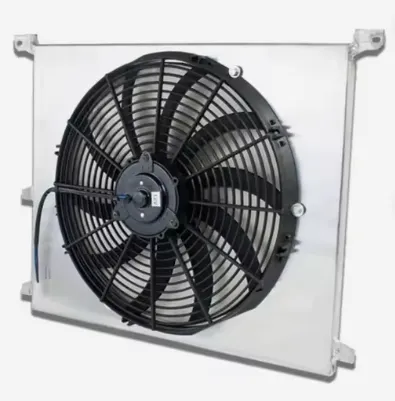
2. Material and surface process optimization, adapt to complex working conditions
The die cast motor shroud uses high-quality aluminum alloy raw materials, with good heat conductivity, which can assist the motor in conducting heat. It can provide multiple surface treatments such as sandblasting, anodizing, and powder coating, enhancing the product's resistance to moisture, dust, and weak acid and alkali corrosion, and meeting the diverse usage requirements of industrial equipment.
3. Pre-project evaluation to avoid assembly risks in advance
All structural schemes undergo preliminary engineering reviews to verify the installation hole spacing, assembly clearance, and wiring avoidance. The Die Casting Mechanical And Electrical Shroud Fan fully considers the assembly space of the motor's entire unit during the design stage. The outer diameter, installation hole positions, and outlet positions can all be adjusted according to the customer's three-dimensional model to avoid interference during on-site installation.
Materials and technical specifications
| Project | Parameter Description |
| Product Name | Die Casting Mechanical And Electrical Shroud Fan |
| Basic Process | High pressure die casting, precision machining, surface treatment(sandblasting/anodizing/powder coating) |
| Optional Materials | Al Si series aluminum alloy (selected as per requirement) |
| Structural Form | Custom outer diameter, mounting hole pitch, air duct and outlet position according to drawings |
| Performance Requirements | Dimension tolerance control, vibration resistance, anti corrosion surface treatment |
| Delivery Documents | Material certificate, batch inspection report, can be provided as per requirement |
| Service Mode | ODM/OEM customization, batch production, supports small batch samples |
Note: The above are general reference specifications. The final parameters shall be subject to the confirmation of the customer's drawing. For special anti salt spray and special installation conditions, please communicate in advance and conduct a preliminary process assessment.
Die Casting Process and Mold Development
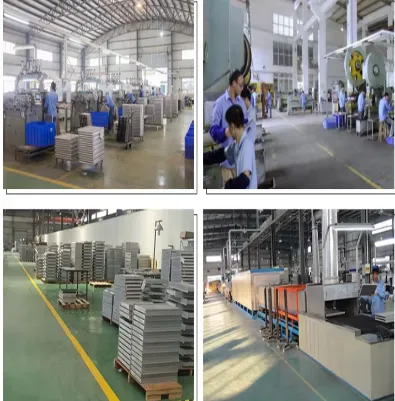
The quality of the finished product of the electric motor fan shroud largely depends on the accuracy of the mold. Our own mold workshop is equipped with CNC machining centers, spark machines, and grinding machines. The three-dimensional mold division, cavity processing, polishing, and trial mold all are completed internally without external cooperation, which shortens the sample development cycle. During the mold design stage, the filling state of die casting is simulated, and the gates, overflow grooves, and exhaust grooves are reasonably arranged to reduce defects such as mold sticking and shrinkage porosity; the cavities are hardened to extend the service life and stabilize the size fluctuations in mass production.
After the trial sample is produced, full-size detection is carried out using a three-coordinate measuring machine, calipers, and height gauges, and the detection records are provided for customer confirmation. During the mass production stage, regular mold inspection and maintenance are carried out to ensure the consistency of each batch of electric motor shroud products.
Quality control
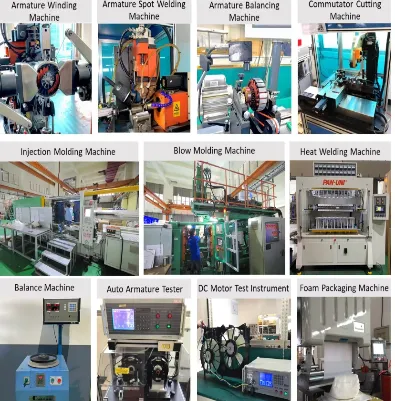
During the incoming material process, the material brand is checked and the material certificate is retained; samples are taken from the die-casting blanks to investigate casting defects; after precision machining, size inspections are carried out. The finished products undergo multiple levels of inspection: first-piece confirmation, process inspection, full appearance inspection, and sampling re-inspection for shipment.
As a Die cast motor housing manufacturer, various measuring instruments are used to verify the flatness of the reference plane and the positional accuracy of the installation holes to ensure the interchangeability of the products. All inspection records are archived and saved by batch. Inspection materials can be provided as per export orders to meet the warehouse acceptance standards of mechanical and electrical equipment manufacturers; polyurethane foam isolation is adopted to optimize packaging to avoid bumps, scratches during sea transportation.
Selection Key Points
During the selection stage, it is necessary to confirm the motor power, operating conditions and environment, outer diameter limit, installation hole spacing, and reserved space for wiring. Different motor models have different requirements for the wind cover structure. For special motors with limited installation space, a compact Die cast motor housing is required, and strict requirements are imposed on the control of die casting wall thickness and machining tolerances. If the equipment is operating outdoors or in corrosive conditions, it is necessary to determine the surface anti-corrosion treatment plan in advance. It is recommended to provide complete three-dimensional drawings or physical samples. Our engineering team will assess the feasibility of die casting and provide structural optimization suggestions to avoid additional cost losses caused by later mold modifications.
Customized cooperation process
1. Receiving drawings/samples: Receive 2D drawings, 3D models or physical samples from the customer, and collect information such as material requirements, dimensions, batch size, and working conditions.
2. Engineering assessment: Evaluate the feasibility and potential risks of die casting, and output a preliminary plan and quotation.
3. Mold development: Customize the die casting mold for the wind cover, complete trial molding and mold revision.
4. Sample production: Produce samples, complete size and appearance inspection, and submit them to the customer for confirmation.
5. Batch production: After sample confirmation, start batch production, and implement full-process quality control.
6. Inspection and delivery: Complete final inspection, package as required, arrange for shipment, and simultaneously deliver relevant test materials.
Why choose us?
We have an independent mold processing workshop and a die-casting production workshop. The mold development, die-casting forming, precision machining, surface treatment, and final product inspection for motor air cover components are all completed within the factory in a closed-loop manner. Core processes are not outsourced, enabling stable control of delivery schedules and product consistency. Our team has extensive experience in aluminum die-casting parts projects in the mechanical and electrical industry, and is familiar with the tolerance standards and assembly habits of European and American equipment. Once the drawings are received, we can start the die-casting simulation analysis in advance, identify forming risks, and output structural optimization suggestions. We can provide a complete set of traceable materials such as material certificates and batch test reports, and support small-batch sample orders and large-batch orders. Our core product, Die Casting Mechanical And Electrical Shroud Fan, is suitable for various overseas mechanical and electrical equipment customization projects. We welcome providing drawings for assessment and sample production.
FAQ
Can you customize this die casting housing according to drawings?
Custom production is available based on customers’ 3D drawings and technical requirements.
What surface treatments can be applied to the shroud products?
Common options include sandblasting, anodizing and powder coating for anti corrosion and wear resistance.
How long will it take to deliver samples?
Standard samples can be delivered in about one week after scheme confirmation.
What is the minimum order quantity?
There is no strict MOQ for sample orders, and bulk MOQ can be negotiated.
Can you provide dimension inspection reports for shipment?
Dimension inspection documents can be provided before shipment upon request.
Related Category
Send Inquiry
Please feel free to give your inquiry in the form below. We will reply you in 24 hours.