- English
- Español
- Português
- русский
- Français
- 日本語
- Deutsch
- tiếng Việt
- Italiano
- Nederlands
- ภาษาไทย
- Polski
- 한국어
- Svenska
- magyar
- Malay
- বাংলা ভাষার
- Dansk
- Suomi
- हिन्दी
- Pilipino
- Türkçe
- Gaeilge
- العربية
- Indonesia
- Norsk
- تمل
- český
- ελληνικά
- український
- Javanese
- فارسی
- தமிழ்
- తెలుగు
- नेपाली
- Burmese
- български
- ລາວ
- Latine
- Қазақша
- Euskal
- Azərbaycan
- Slovenský jazyk
- Македонски
- Lietuvos
- Eesti Keel
- Română
- Slovenski
- मराठी
- Srpski језик


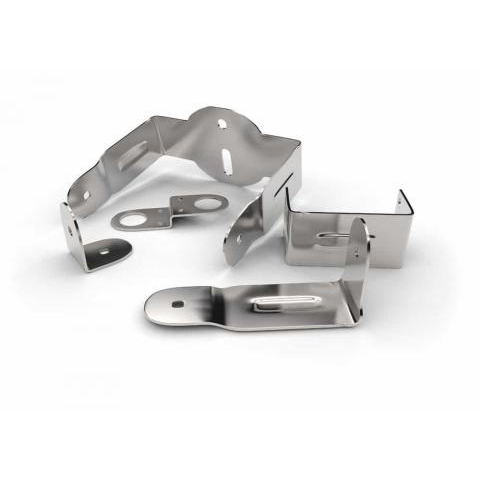


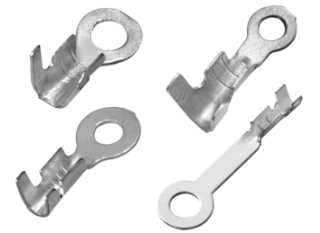
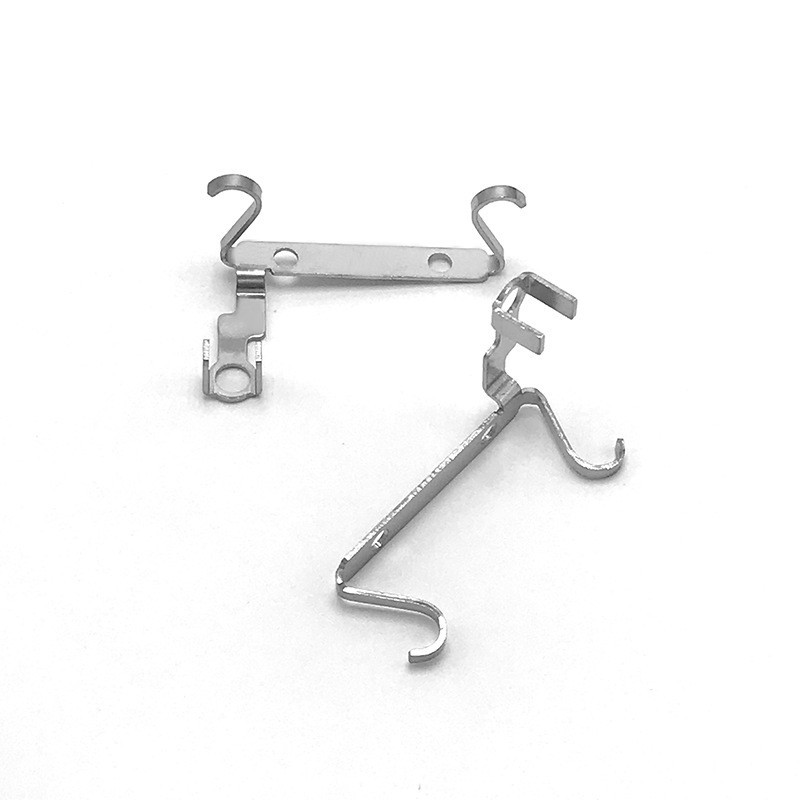
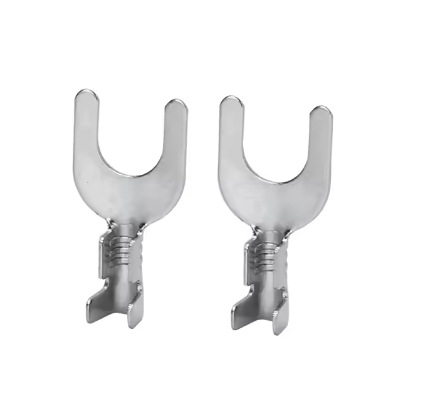
Crimp Connectors
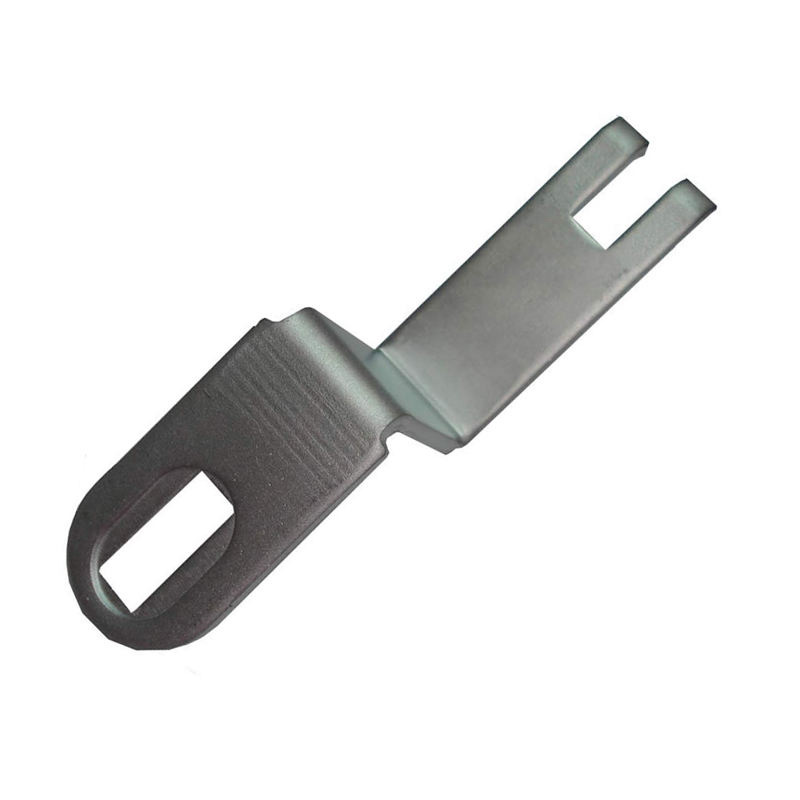
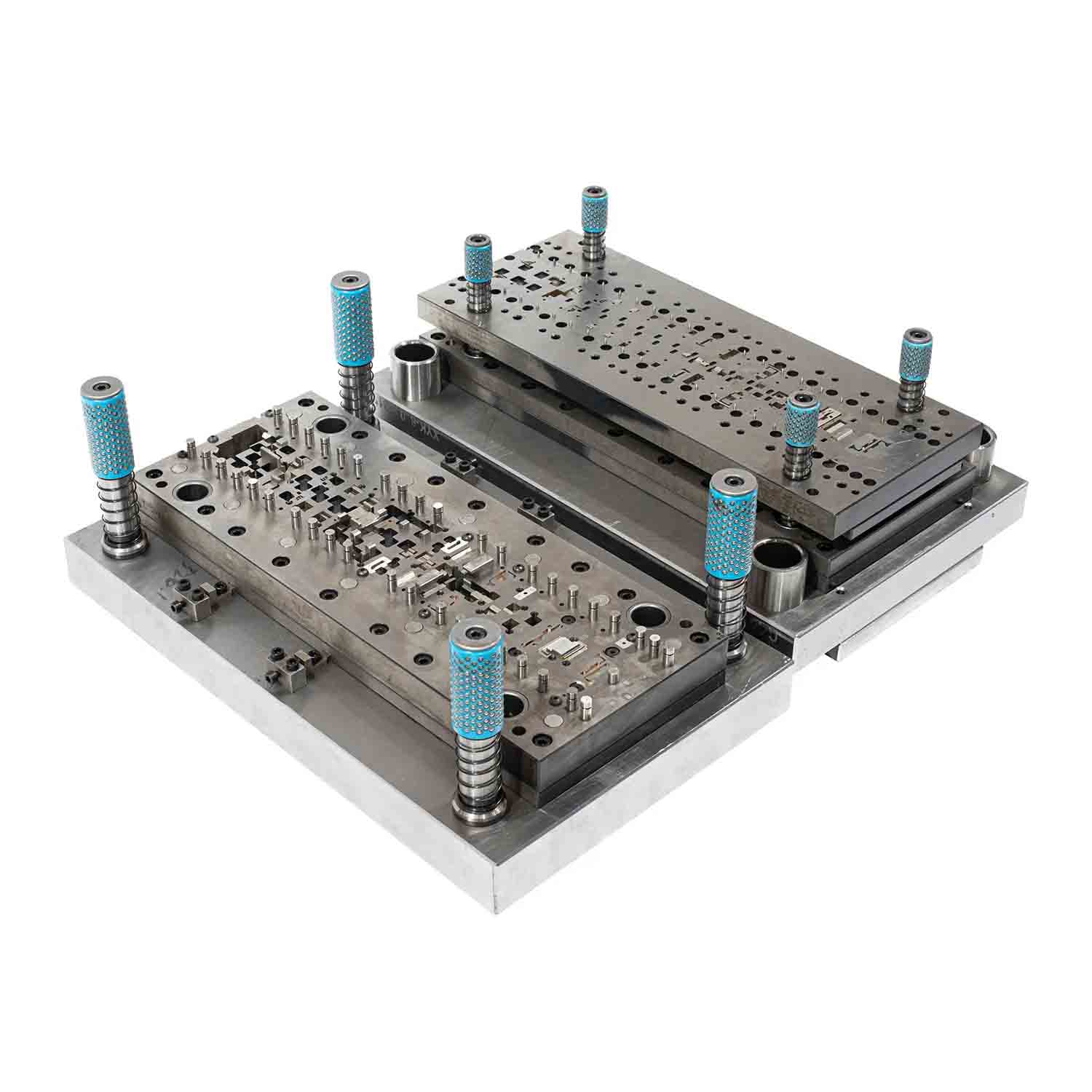
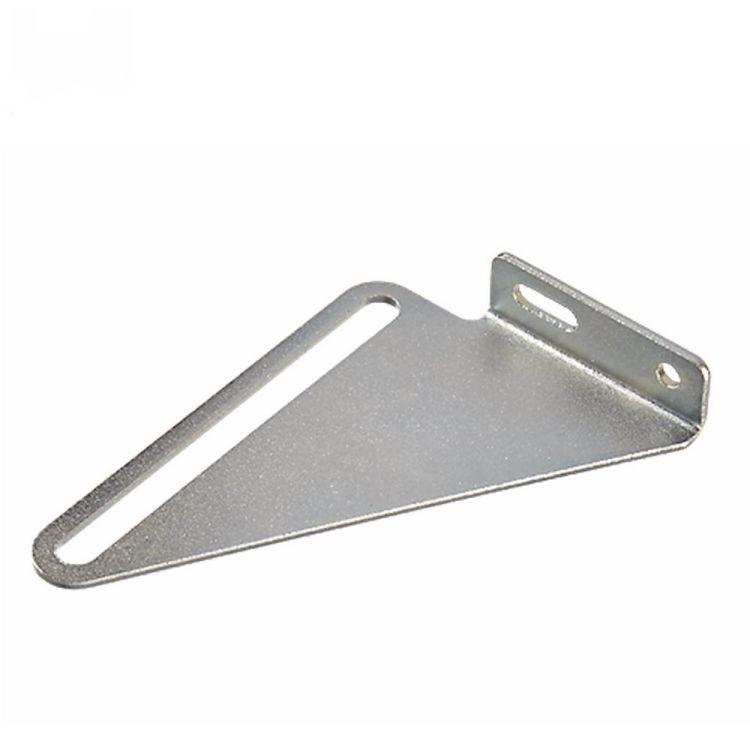
In China,Xiamen Hongyu Intelligent Technology Co., Ltd. supports the customization of standard/non-standard parts of Crimp Connectors, and has more than 17 years of professional technology in hardware mold design and stamping product production. The minimum processing thickness of Crimp Connectors can reach 0.08mm, with excellent craftsmanship and no burrs.
Send Inquiry
Product Description
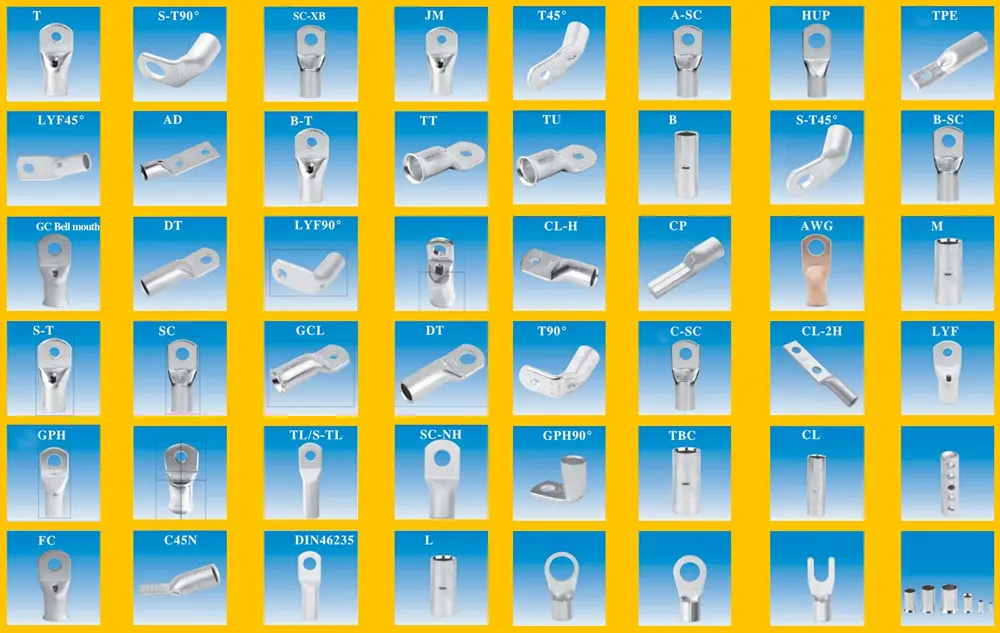
Crimp Connectors is a professional component designed by Xiamen Hongyu Intelligent Technology specifically for the crimping connection of wires and terminals. With highly conductive materials and precise structures, it has solved the connection reliability problems in the manufacturing of wire harnesses. This product is a reliable choice for overseas customers who need electrical connection components. As a supplier in the fields of metal processing and electrical connection, we can provide customers with high-quality products and services to facilitate circuit connection.
rimping status inspection
The crimping quality of Stamping hardware terminals is a key factor in ensuring the final interconnection performance. Whether the terminal stamping parts are damaged, whether the terminal stamping parts are bent, whether the insulation layer inside the terminal window is intact but the wire crimping area is not insulated, whether the wire is punctured at the insulation layer crimping area, whether the edge crimping is correct, whether the brush is visible after wire crimping, whether the brush is located in the connection area, and whether there are conical holes Whether the micrometer measurement value at the insulation crimping point is within the tolerance range can also determine whether the crimping condition is good.
It is necessary to check whether the hardware terminals of the stamping are correctly crimped. Whether it is manual crimping or machine crimping, each connection point needs to be carefully inspected. Improper crimping can significantly shorten the service life of crimped connectors and even cause safety hazards.
Due to the different tolerances of wire diameter for each type of connector and specification, the thickness measurement at the wire diameter crimping point can be used as a reference index. An inappropriate wire diameter not only shortens the service life but may also lead to unstable connections, rapid detachment, and ultimately cause losses.
Processing technology
The main materials of Stamping hardware terminals are mostly brass H62, with no special requirements. The materials of the crown spring drum springs are mostly beryllium copper. Not all materials are suitable for gold plating. Therefore, before gold plating, a layer of nickel is plated first to ensure the gold plating effect. The conventional specification standards for nickel-based gold plating are that the nickel layer thickness is 50 to 80μm, the gold layer thickness is ≥2μm, and the purity of the gold used is ≥99.8%. Finally, apply a solid protective film; The surface of the product should be smooth, free of oxidation to ensure practicality, and free of burrs to prevent the product from loosening due to uncompressed burr gaps. To ensure product quality, there should be no tool marks, pinch marks or sharp edges on the hardware. We have high-precision quality requirements and do not specify a tolerance of ±0.02.
Electroplating specification
|
Product |
Crimp Connectors |
|
Appearance Requirements |
Free from oxidation, yellowing, blackening, bluing, purpling, hooking, uneven legs, or other defects. |
|
Plating Performance |
Full nickel base: 50-80 μ". Gold plating: 1 μ". Measurement points on both sides: 3mm. |
|
High-Temperature Resistance |
Must withstand 260°C for 5 seconds without discoloration, blackening, yellowing, blistering, or peeling. |
|
Solderability Test |
Solder coverage must be over 95%. |
|
Salt Spray Test |
Tested with 5% salt solution at 35°C for 24 hours. No oxidation, blackening, or other defects are allowed. |
|
Adhesion Test (Peel Test) |
No peeling of the coating on curved surfaces. |
|
Environmental Compliance |
All plating must comply with green environmental ROHS requirements. |
|
Plating of Critical Areas |
All measurement points and designated measurement surfaces must be plated according to specifications (these areas are critical for solderability and conductivity). |
Hot Tags: Crimp Connectors, China, Manufacturers, Suppliers, Factory, Quotation, Quality
Product Tag
Related Category
Send Inquiry
Please feel free to give your inquiry in the form below. We will reply you in 24 hours.