
- English
- Español
- Português
- русский
- Français
- 日本語
- Deutsch
- tiếng Việt
- Italiano
- Nederlands
- ภาษาไทย
- Polski
- 한국어
- Svenska
- magyar
- Malay
- বাংলা ভাষার
- Dansk
- Suomi
- हिन्दी
- Pilipino
- Türkçe
- Gaeilge
- العربية
- Indonesia
- Norsk
- تمل
- český
- ελληνικά
- український
- Javanese
- فارسی
- தமிழ்
- తెలుగు
- नेपाली
- Burmese
- български
- ລາວ
- Latine
- Қазақша
- Euskal
- Azərbaycan
- Slovenský jazyk
- Македонски
- Lietuvos
- Eesti Keel
- Română
- Slovenski
- मराठी
- Srpski језик
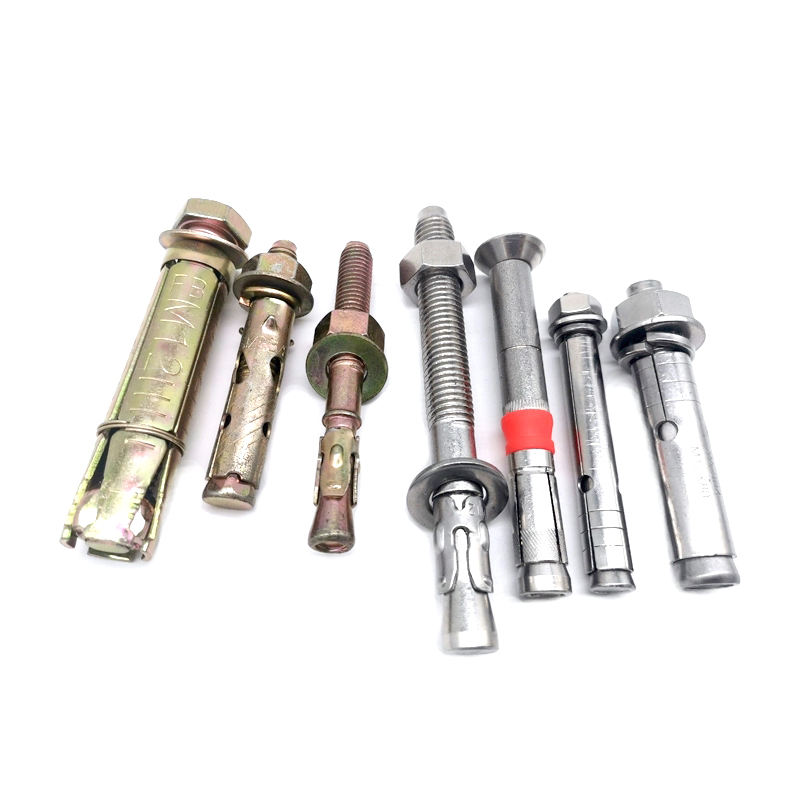

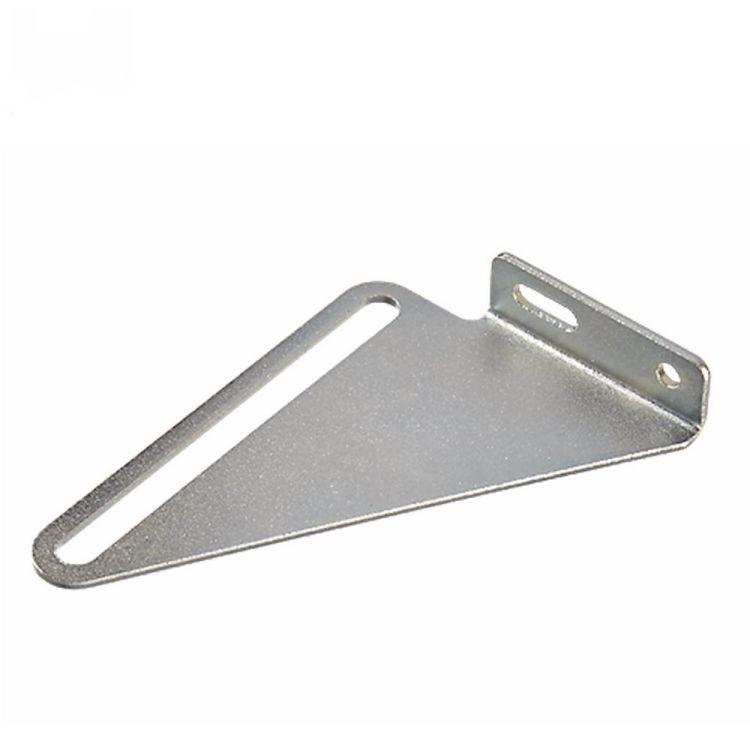
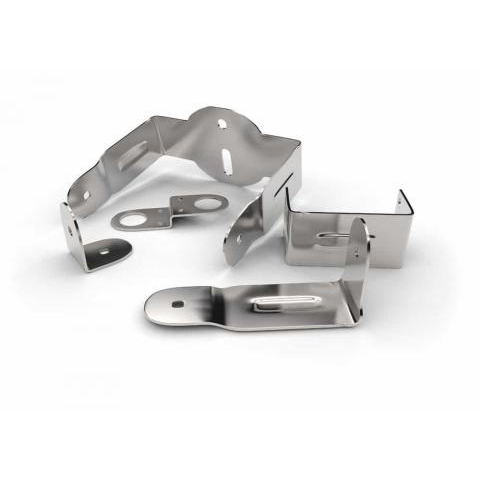


photovoltaic inverter
Xiamen Hongyu Intelligent Technology Co., Ltd. is a professional stamping manufacturer specializing in photovoltaic inverters. Our products are suitable for residential, commercial, and industrial applications, and we support customized services, providing customers with market access and reliability guarantees. HY has a professional and experienced engineering design team that can turn your ideas into reality, providing customers with one-stop solutions.
Protection level: IP67
Type: pv inverter, solar and power inverter
Size: Customization supported
Material: aluminum, metal, stainless steel, aluminum alloy, galvanized steel
Send Inquiry
Product Description
Xiamen Hongyu Intelligent Technology Co., Ltd. is a professional supplier of photovoltaic inverters, with a professional design team and a mature processing technology system. It has independent design capabilities and sufficient production capacity, and can quickly meet customers' demands and provide high-quality services.
Optimizing processes and enhancing efficiency
Photovoltaic power is not only a key force in carbon reduction, but also, with the continuous decline in photovoltaic costs, photovoltaic projects have become a new growth point in the green economy. As the core equipment of photovoltaic power generation systems, the market size of inverter solar inverters has also expanded rapidly. Its core development directions can be divided into two major parts: improving efficiency and enhancing safety. Especially since it is mainly installed in some outdoor environments, reliability and durability under various environmental conditions also need to be considered.
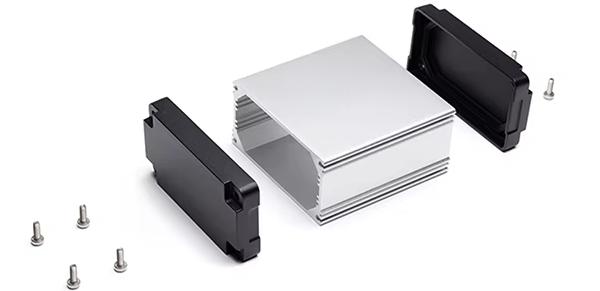
The production process of solar and power inverters still involves fourteen steps, including stretching, drawing concave packages, reverse stretching, and finally manual grinding and rivet inspection. There is still much room for improvement. For instance, a large number of processes mean a greater number of specialized equipment, such as large-tonnage hydraulic presses, riveting hydraulic presses, and inspection machines. At the same time, the production line occupies a large area, and the management difficulty and cost of the production personnel are high. To address this issue, HY has chosen to adopt the integrated die-casting technology. Through precise molds, the main structure of the shell, heat dissipation fins, installation points, and other components can be die-cast in one go, effectively replacing the multiple stamping processes such as stretching and reverse stretching.
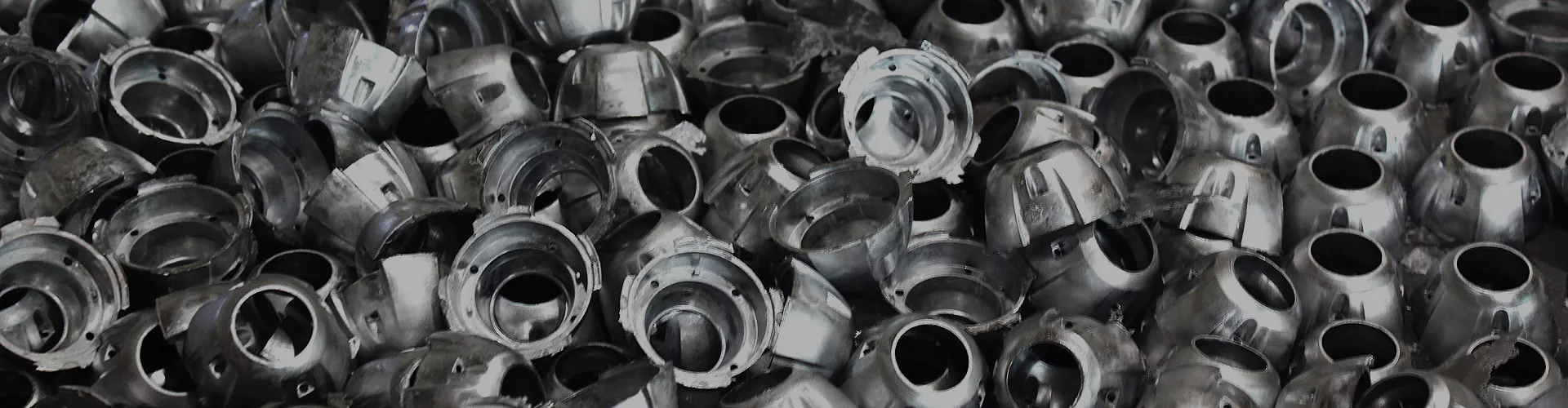
Aluminum alloy die-casting process
For the shell of the solar converter for inverter itself, the internal electronic components are the main heat sources, so heat dissipation is the top priority. The shell must quickly conduct heat to the outside. Then comes the sealing performance. To protect the electronic components inside the shell, the sealing grade is all above IP65 or IP67. Therefore, the shell is mainly made of high thermal conductivity materials such as aluminum alloy, and also includes heat dissipation structure design. Under the premise of ensuring structural strength, reducing weight also facilitates transportation and installation. This is very consistent with the characteristics of aluminum alloy die-casting that can produce thin-walled and sturdy integral structures. Therefore, this is also the main processing technology for manufacturing the shells of high-power solar inverter inverters currently, which are formed in one piece through precision mold die-casting.
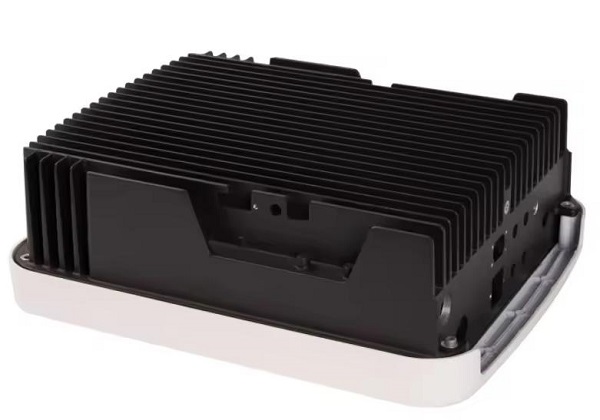
The greatest advantage of aluminum alloy die-casting is that it can form the complex heat dissipation fin structure on the shell's exterior in one die-casting process, which is far less costly than NC machining. Die-casting not only reduces the unit cost but also, with its one-piece molding, can produce a complete part in one die-casting, effectively avoiding the assembly of multiple parts, ensuring the continuity of the heat conduction path, and guaranteeing the sealing performance. It is also easier to achieve high-level protection. Moreover, the mechanical strength of the one-piece structure is higher, and the protective performance is also stronger. The dimensional consistency and stability of the solar inverter solar die-castings are also very easy to control, effectively improving production efficiency and reducing management costs.
FAQ
What does a photovoltaic inverter do?
Its main function is to convert the direct current generated by the photovoltaic panels into alternating current that can be connected to the power grid. Whether it is for household use or for large-scale integrated industrial applications, it is an extremely important component of photovoltaic modules.
What is the difference between a battery inverter and a PV inverter?
Both have the same function of converting direct current to alternating current. However, the battery inverter can also store electrical energy, thus enabling more functions and applications. For instance, it can effectively fill the electricity gap when photovoltaic panels do not generate electricity at night, or serve as an emergency backup.
What happens if you connect too many solar panels to an inverter?
The most direct problem is that overload leads to excessively high voltage, overheating of the equipment, frequent activation of protection mechanisms, and eventually damage to the inverter. Therefore, a proper configuration design needs to be carried out through reasonable calculations.
Hot Tags: photovoltaic inverter, inverter solar inverter, solar and power inverter, solar converter for inverter, solar inverter inverter, solar inverter solar
Related Category
Send Inquiry
Please feel free to give your inquiry in the form below. We will reply you in 24 hours.