
- English
- Español
- Português
- русский
- Français
- 日本語
- Deutsch
- tiếng Việt
- Italiano
- Nederlands
- ภาษาไทย
- Polski
- 한국어
- Svenska
- magyar
- Malay
- বাংলা ভাষার
- Dansk
- Suomi
- हिन्दी
- Pilipino
- Türkçe
- Gaeilge
- العربية
- Indonesia
- Norsk
- تمل
- český
- ελληνικά
- український
- Javanese
- فارسی
- தமிழ்
- తెలుగు
- नेपाली
- Burmese
- български
- ລາວ
- Latine
- Қазақша
- Euskal
- Azərbaycan
- Slovenský jazyk
- Македонски
- Lietuvos
- Eesti Keel
- Română
- Slovenski
- मराठी
- Srpski језик

How Brass Parts Stamping Creates High-Precision Metal Components
Brass Parts Stamping is a widely used metal forming process for producing precise brass components with consistent dimensions and reliable performance. By using stamping dies and mechanical or hydraulic presses, manufacturers can efficiently create complex brass parts for electrical, automotive, hardware, and industrial applications.
Compared with traditional machining methods, brass stamping offers advantages such as high production efficiency, reduced material waste, and suitability for large-volume manufacturing. It has become an important production method for industries requiring accurate and durable metal components.
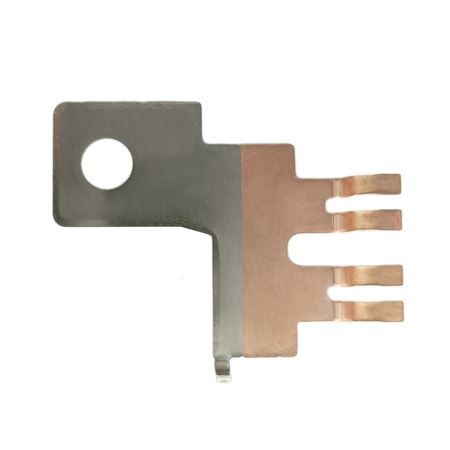
How Does Brass Parts Stamping Work?
The stamping process involves several key stages to achieve accurate and repeatable results.
1. Material Preparation
Brass sheets or strips are selected according to the required mechanical properties, thickness, and application needs. The material surface is usually inspected to ensure it is suitable for stamping.
2. Die Design and Manufacturing
The stamping die determines the final shape and accuracy of the brass component. Precision die design is essential because the tool directly affects product consistency and production efficiency.
3. Stamping Operation
The brass material is placed into the stamping machine, where the die applies pressure to perform operations such as:
- Cutting
- Punching
- Bending
- Drawing
- Forming
4. Finishing and Inspection
After stamping, parts may undergo additional processes such as deburring, cleaning, plating, or surface treatment. Quality inspection ensures the finished components meet dimensional and performance requirements.
Why Is Brass Commonly Used for Stamping Parts?
Brass is a popular material for stamped components because it combines several useful properties.
Good Electrical Conductivity
Brass provides reliable electrical conductivity, making it widely used in electrical and electronic components.
Excellent Machinability
The material can be easily formed and processed, which helps manufacturers produce detailed components with stable dimensions.
Corrosion Resistance
Brass naturally offers better corrosion resistance compared with many common metals, helping components maintain performance in various environments.
Attractive Appearance
The golden appearance of brass makes it suitable for decorative hardware and visible components where appearance is important.
Common Types of Brass Stamping Processes
Progressive Die Stamping
Progressive stamping uses multiple stations within a single die. Each station performs a different operation as the brass strip moves through the tooling system.
This method is suitable for:
- High-volume production
- Small precision components
- Complex part designs
Deep Drawing Stamping
Deep drawing forms brass sheets into deeper shapes by stretching the material through controlled deformation.
It is commonly used for components requiring:
- Cylindrical shapes
- Hollow structures
- Enclosed designs
Single Operation Stamping
Single operation stamping completes one main forming process at a time. It is often used for simple parts or lower production quantities.
Applications of Brass Stamped Parts
Electrical and Electronics Industry
Brass stamped components are widely used in electrical applications because of their conductivity and stability.
Typical products include:
- Electrical contacts
- Terminal connectors
- Switch components
- Socket parts
Automotive Industry
Automotive systems require many small precision metal components. Brass stamping is used for parts that need reliable connection and durability.
Applications include:
- Electronic connectors
- Sensor components
- Fastening parts
Hardware and Industrial Products
Brass stamped parts are also used in:
- Locks and hinges
- Mechanical assemblies
- Decorative hardware
- Industrial equipment
Important Factors Affecting Brass Stamping Quality
Material Selection
Different brass grades provide different levels of strength, flexibility, and conductivity. Selecting suitable brass material helps achieve the required performance.
Die Precision
The accuracy of the stamping die directly influences part dimensions, surface quality, and production stability.
Production Parameters
Factors such as stamping speed, pressure, lubrication, and material feeding accuracy can affect the final product quality.
Surface Treatment
Additional treatments such as polishing, plating, or coating may be applied to improve appearance, corrosion resistance, or electrical performance.
Advantages of Brass Parts Stamping
High Production Efficiency
Stamping allows manufacturers to produce large quantities of parts within a short production cycle.
Consistent Product Quality
Using precision dies helps maintain stable dimensions and repeatable results across production batches.
Material Utilization
Proper die design helps reduce material waste and improve production cost efficiency.
Suitable for Complex Designs
Modern stamping technology can produce components with detailed structures and precise features.
Common Challenges in Brass Parts Stamping
Material Deformation
Improper forming conditions may cause cracking, bending, or unwanted deformation of brass components.
Die Wear
Continuous production may gradually wear stamping dies, affecting accuracy and requiring maintenance or replacement.
Surface Defects
Scratches, burrs, or marks may occur if tooling conditions or production parameters are not properly controlled.
Maintenance Tips for Brass Stamping Production
Regular Die Inspection
Checking dies regularly helps identify wear problems before they affect production quality.
Keep Equipment Properly Maintained
Proper lubrication and machine maintenance help ensure stable stamping performance.
Monitor Product Quality
Regular dimensional checks and surface inspections help maintain consistent product standards.
Frequently Asked Questions About Brass Parts Stamping
What types of brass parts can be stamped?
Brass stamping can produce electrical components, connectors, brackets, clips, hardware parts, and various precision metal components.
Why is brass suitable for stamping?
Brass offers good conductivity, corrosion resistance, formability, and machinability, making it suitable for many precision applications.
Is brass stamping suitable for mass production?
Yes. Brass stamping is widely used for high-volume manufacturing because of its efficiency and repeatability.
What industries use brass stamped parts?
Common industries include electronics, automotive, electrical equipment, hardware manufacturing, and industrial machinery.
Final Thoughts
Brass Parts Stamping is an efficient manufacturing method for producing accurate and reliable brass components. With advantages such as high production speed, consistent quality, and flexible design options, it plays an important role in modern manufacturing.
Understanding the stamping process, material characteristics, and application requirements helps manufacturers select suitable solutions for different brass component production needs.